News Ethereum
Ethereum Glamsterdam Upgrade Scheduled for Hoodi Testnet on December 15
Ethereum core developers set the Glamsterdam upgrade for Hoodi testnet activation on December 15, 2026, following security reviews of gas repricing changes.

Ethereum core developers scheduled the Glamsterdam upgrade for activation on the Hoodi testnet on December 15, 2026, at 19:12 UTC. The decision came during the All Core Devs Consensus call on November 26. Glamsterdam combines consensus-layer and execution-layer changes and follows prior activation on the Sepolia testnet in October.
Schedule and Client Release Timeline
The Hoodi fork targets epoch 143,616 and slot 4,595,712. Client teams expect releases in the week beginning November 30. Hoodi serves as the final public testnet before any mainnet consideration.
Teams adopted a non-breaking change to builder payload validation on the consensus layer. Execution-layer clients reached rough consensus to proceed with the gas changes despite one team abstaining. No client exercised a veto.
High-severity findings from earlier audits must reach resolution by mid-December. Testing data from Hoodi will inform any mainnet timing decisions.
Gas Repricing and Storage Charges Under EIP-8037
EIP-8037 introduces multidimensional gas metering with a Cost Per State Byte set at 1,530 gas. New accounts will require approximately 183,600 gas instead of the current 25,000. New storage slots rise to roughly 97,920 gas from 20,000. Code deposits increase to 1,530 gas per byte from around 200.
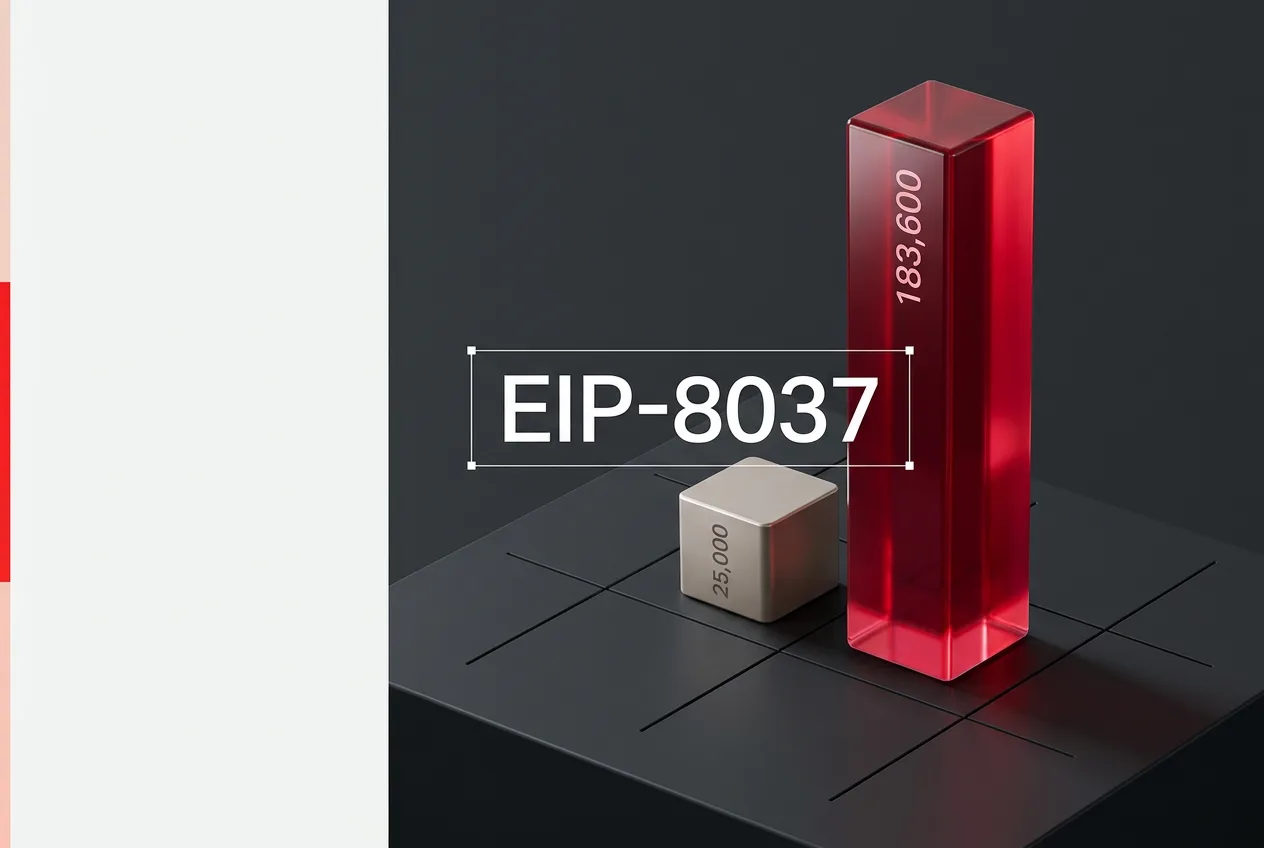
The changes target state growth at an estimated 120 GiB per year under a 150 million gas limit reference. Higher block gas limits toward 200 million become feasible once the new metering takes effect. Audits identified roughly 200 findings across severity levels, with up to 15,000 contracts among 90 million potentially exposed.
Additional Glamsterdam features include enshrined proposer-builder separation and block-level access lists. These elements support longer-term L1 scaling goals. Projects continue compatibility work ahead of the testnet fork.
Background and Path to Mainnet
Glamsterdam follows the Fusaka upgrade that activated on mainnet in December 2025. The upgrade originally targeted Hoodi on October 26 but moved after ChainSecurity flagged contract risks from the gas modifications. No mainnet date exists yet. The earliest discussed window falls in mid-to-late January 2027 or later.
Developers continue work on post-quantum considerations and features deferred to the next upgrade cycle. Hoodi results will determine whether fixes are sufficient for broader deployment. Affected smart contract projects maintain ongoing compatibility testing.
Frequently asked questions
When will the Glamsterdam upgrade activate on Hoodi?
Activation is set for December 15, 2026, at 19:12 UTC during epoch 143,616.
What changes does EIP-8037 introduce to storage costs?
The EIP raises costs for new accounts, storage slots, and code deposits through a new Cost Per State Byte metric of 1,530 gas.
Why was the original Hoodi date postponed?
Security reviews identified risks to existing contracts from the gas repricing, leading to additional audit work and a later schedule.
Has a mainnet date been set for Glamsterdam?
No date exists. The earliest potential window discussed is mid-to-late January 2027 pending Hoodi test results.
Comments
No comments yet. Be the first!