News Security
1Password Breach Follows Employee GitHub Account Compromise
1Password reported unauthorized access to an employee GitHub account that allowed code changes and limited data exfiltration. The company has detailed the scope and mitigation steps.
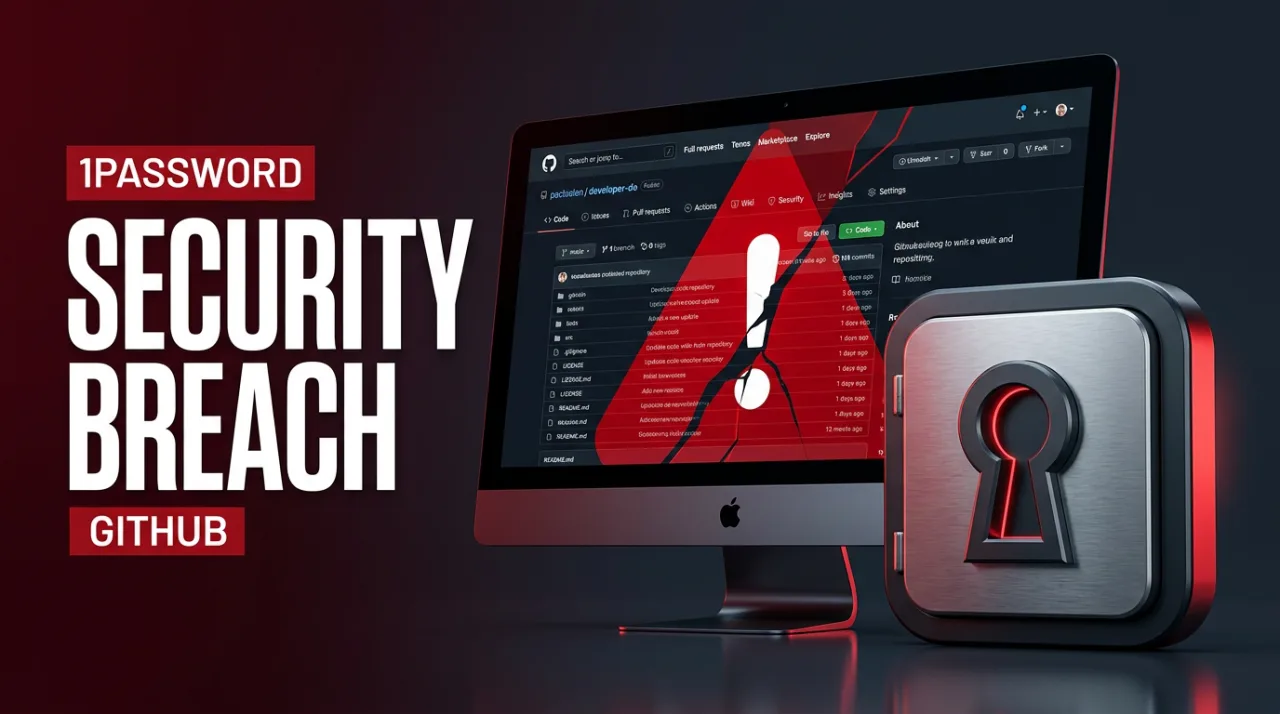
1Password disclosed a security incident on November 25, 2026, after an attacker compromised one employee’s corporate GitHub account. The company detected the intrusion on November 19 and began an internal investigation that confirmed access to private repositories and the CI/CD system.
Details of the 1Password Breach and Attack Path
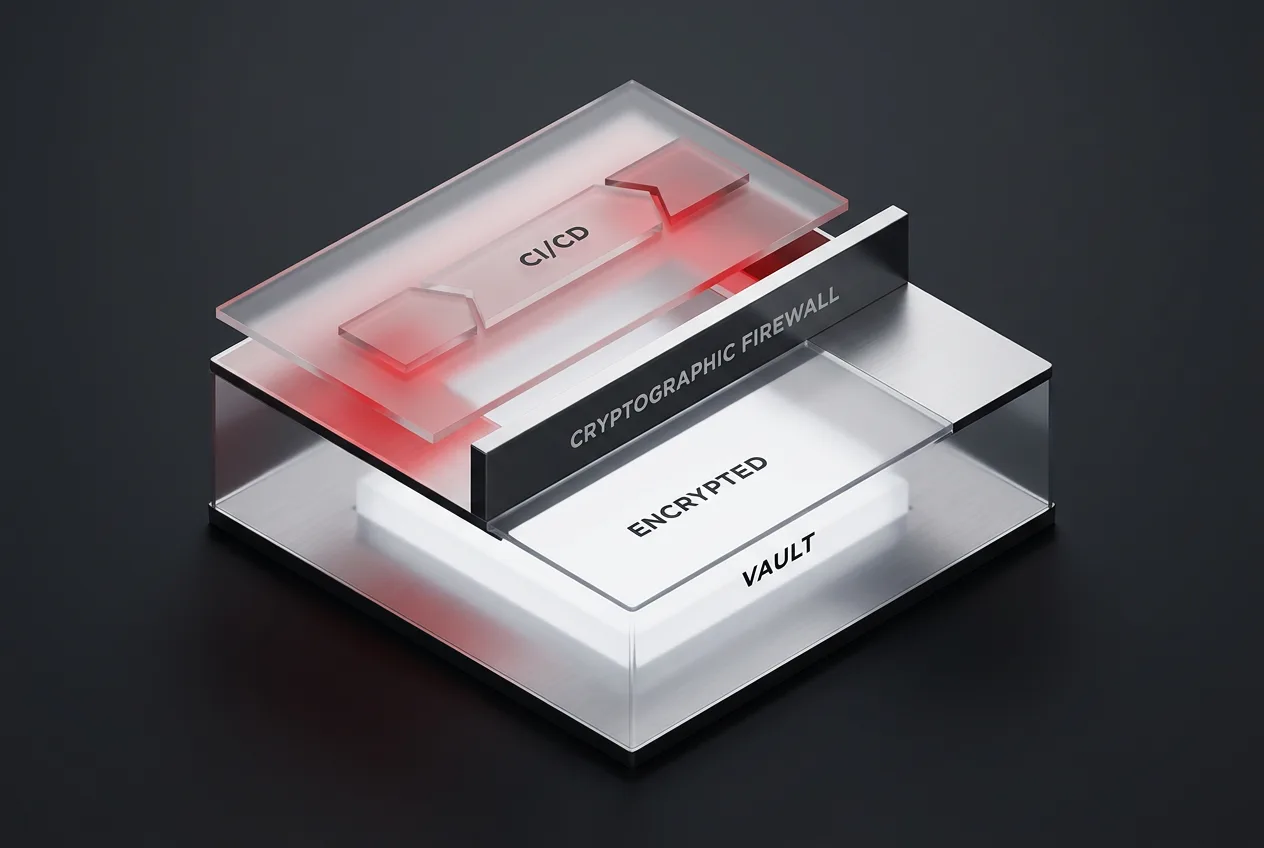
The attacker used the compromised GitHub account to view source code, push malicious code to backend services, and copy repository contents. The intruder also reached the continuous integration and deployment pipeline, which held infrastructure-related secrets. 1Password has not disclosed the initial method used to obtain the GitHub credentials.
Investigation confirmed that the attacker exfiltrated certain account records belonging to a subset of users. The accessed fields included names, email addresses, user identifiers, account creation dates, last sign-in timestamps, public keys, and Secure Remote Password protocol parameters. Invitation and recovery tokens sent via email were also copied in some cases.
1Password stated that customer vault contents, encryption keys, account passwords, Secret Keys, and recovery keys remained outside the attacker’s reach. No evidence has emerged of successful account takeovers linked to the exposed tokens.
Company Actions and User Protections
1Password immediately disabled the affected GitHub account and revoked the stolen access token. The company rotated or revoked additional internal credentials that could have been exposed and extended invitation and recovery email codes from six numeric digits to ten alphanumeric characters. Additional controls were applied to GitHub, CI/CD pipelines, and endpoint systems, with new detection rules deployed.
Independent cybersecurity experts were engaged to review containment measures. 1Password reported no disruption to service availability or product functionality. A full root cause analysis is scheduled for publication in the coming weeks.
Users received guidance to watch for phishing attempts that reference 1Password invitations or account recovery. The company reiterated that it never requests account passwords or Secret Keys through unsolicited messages. Individuals with active provisioning or recovery tokens received direct notifications.
Context on Password Manager Security Practices
The incident underscores supply-chain risks that arise when developer accounts and build systems are targeted. 1Password’s zero-knowledge architecture kept vault data encrypted with keys held only by users, limiting the practical impact of the access obtained.
Similar incidents at other technology firms have prompted tighter controls on source-code repositories and continuous integration environments. 1Password’s response included both immediate credential revocation and longer-term hardening of authentication and monitoring systems.
Industry observers note that the absence of vault data or encryption keys in the exfiltrated material aligns with the company’s design claims. The pending root cause analysis is expected to provide further technical details on how the GitHub account was initially obtained.
Frequently asked questions
What data was accessed during the 1Password breach?
Records for a subset of users were accessed, including names, email addresses, account identifiers, sign-in timestamps, public keys, and some emailed invitation or recovery tokens. Vault contents, passwords, and Secret Keys were not accessed.
Did the attacker obtain user passwords or vault data?
No. 1Password confirmed that customer vaults, encryption keys, account passwords, and Secret Keys remained protected. The company found no evidence of account takeovers from the exposed tokens.
What should 1Password users do after the GitHub account compromise?
Most users require no action. Those who received direct notifications should follow the instructions provided. All users should remain alert for phishing attempts and only enter credentials in the official app or website.
When will 1Password publish the full root cause analysis?
The company stated it will release a detailed root cause analysis in the coming weeks after completing its review with external experts.
Comments
No comments yet. Be the first!