News Fintech
Whale Orchestration Protocol Launched by Ant International for Tokenized Deposits Settlement
Ant International introduced the Whale Orchestration Protocol to support real-time atomic settlement of tokenized deposits and money market funds in partnership with DBS and Franklin Templeton.
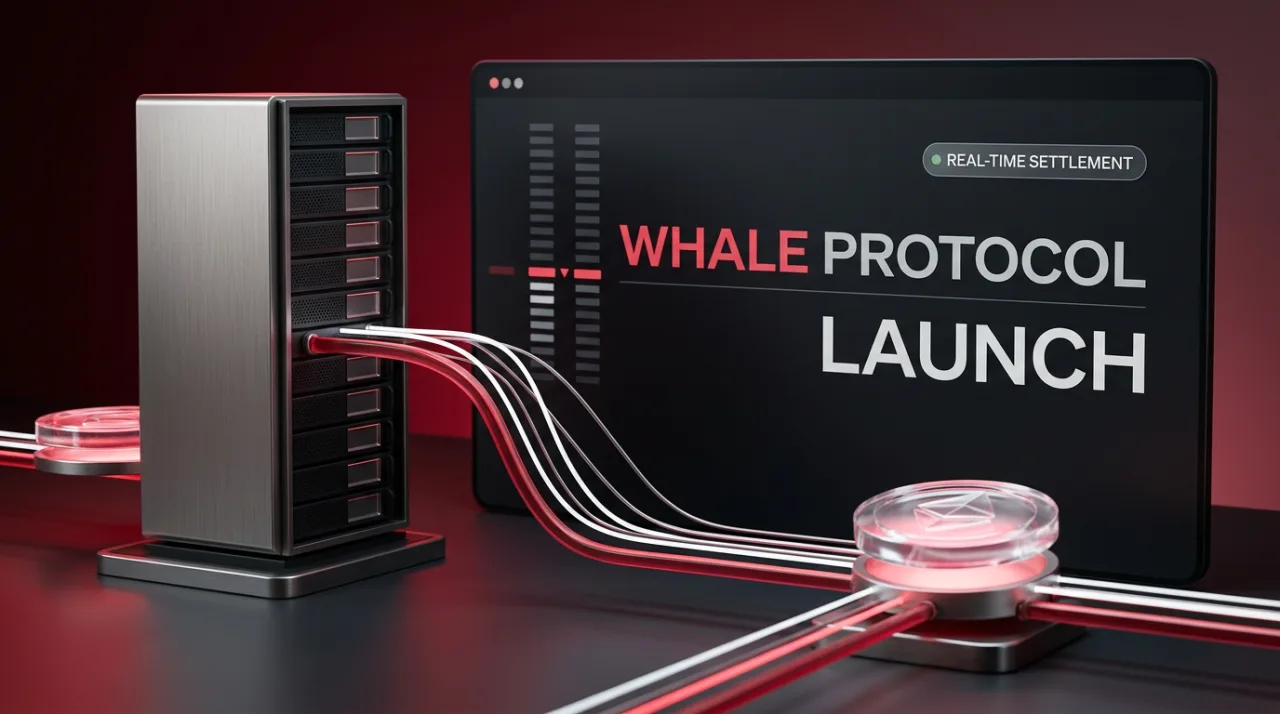
Ant International launched the Whale Orchestration Protocol on November 19, 2026, as an upgrade to its WhaleRTP wholesale settlement platform. The protocol allows atomic delivery-versus-payment settlement between tokenized bank deposits and tokenized money market funds in a single transaction. It was developed under the Monetary Authority of Singapore’s BLOOM initiative and tested in pilots with DBS and Franklin Templeton.
Protocol Features and Pilot Results
The Whale Orchestration Protocol coordinates transactions across native ledgers using lien mechanisms rather than requiring a shared intermediary ledger. This setup removes the T+1 or longer settlement delays common in traditional systems and supports 24/7 real-time deployment of idle capital for global treasury operations. Pilot transactions completed successfully with DBS Treasury Tokens and Franklin Templeton’s tokenized MMF solution, marking Singapore’s first documented cross-asset interoperability between these two classes.
Assets remain on their original ledgers throughout the process. The orchestration layer handles the conditional release and settlement instructions to ensure both legs of the trade complete simultaneously. No volumes or specific transaction values from the pilots have been disclosed publicly. The system builds on earlier Ant and DBS work with Treasury Tokens for intragroup liquidity management that began in 2024.
Role in MAS BLOOM Initiative
The protocol forms part of the BLOOM initiative launched by MAS on October 16, 2025. BLOOM focuses on borderless, liquid, open, online, and multi-currency settlement infrastructure for tokenized bank liabilities and regulated stablecoins in wholesale contexts. Ant International, DBS, and Franklin Templeton co-lead the BLOOM Cross-Asset Interoperability Working Group.
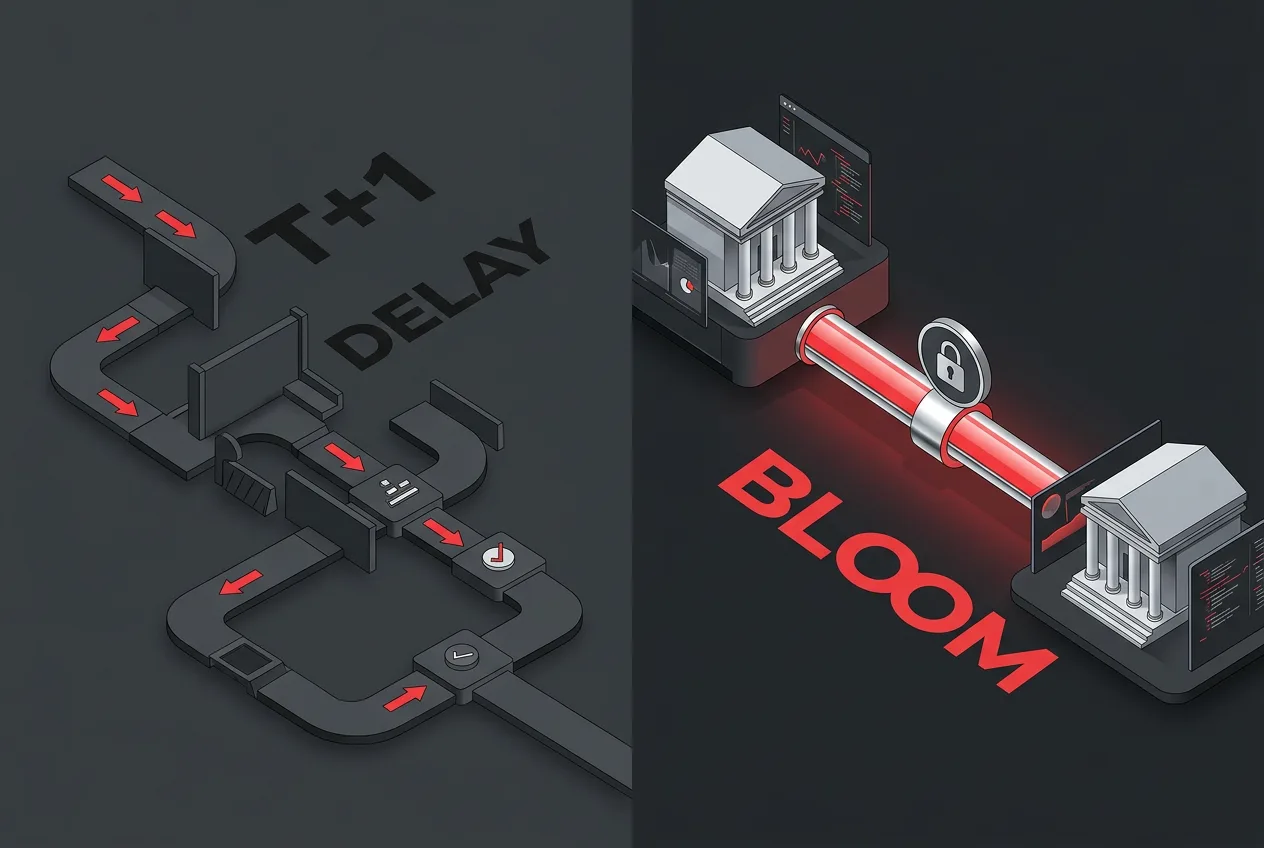
The group released a whitepaper titled “Orchestrating the Future of Money” and the BLOOM Field Guide during the Singapore FinTech Festival held around November 18–20. The framework outlines how tokenized deposits can connect directly to investment products without intermediate accounts or batch processing windows. Additional regional policymakers joined the initiative in 2026 to expand testing of related use cases such as tokenized collateral.
Partner Perspectives and Future Plans
Ant International stated plans to scale the protocol with additional enterprise partners for treasury solutions. DBS noted that tokenized deposits now enable real-time liquidity and investment flows previously constrained by settlement cycles. Franklin Templeton highlighted the value of linking tokenized investment products directly to payment and settlement rails.
Further expansion will focus on enterprise treasury applications and additional asset types. No specific rollout timeline or expected transaction volumes have been announced. The working group continues to develop supporting frameworks under the ongoing BLOOM program.
Frequently asked questions
What does the Whale Orchestration Protocol do?
It enables atomic delivery-versus-payment settlement between tokenized bank deposits and tokenized money market funds in a single transaction without moving assets to a shared ledger.
Which organizations participated in the initial pilots?
Ant International led the launch with pilot transactions involving DBS Treasury Tokens and Franklin Templeton’s tokenized MMF solution under the MAS BLOOM initiative.
When was the BLOOM initiative started?
The Monetary Authority of Singapore launched BLOOM on October 16, 2025, to develop next-generation settlement infrastructure for tokenized assets in wholesale use cases.
How does the protocol handle settlement timing?
It supports real-time 24/7 settlement by coordinating conditional releases across native ledgers, eliminating traditional T+1 or longer batch cycles.
Comments
No comments yet. Be the first!