News Cloudflare
Cloudflare Zero Trust Extends to AI Agent Actions Through Obsidian Integration
Cloudflare and Obsidian Security announced an integration on November 10, 2026, that applies Cloudflare One Zero Trust policies to AI agent actions inside third-party applications.

Cloudflare and Obsidian Security announced an integration around November 10, 2026, that applies Cloudflare One Zero Trust policies to AI agent actions in third-party apps. The partnership uses Cloudflare MCP Server Portals as the gateway for agent traffic while Obsidian supplies runtime policy decisions based on its Knowledge Graph and Policy Engine.
Integration Details and Technical Controls
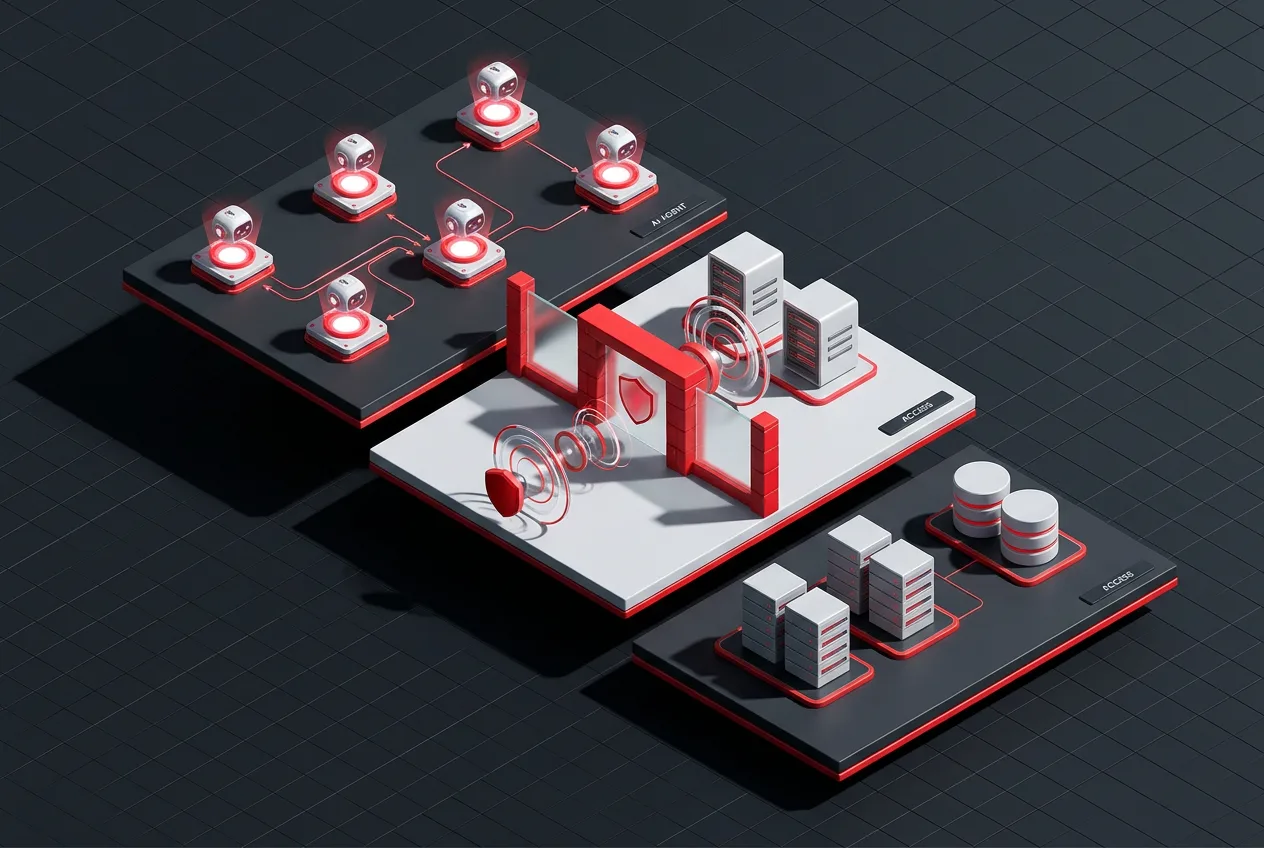
Under the arrangement, Cloudflare Access policies, identity verification, and logging now cover traffic initiated by AI agents. MCP Server Portals sit in front of agent requests and enforce the same Zero Trust network access rules already used for human users. Obsidian evaluates each tool call against context-aware policies before the request reaches the target application, allowing, blocking, or routing actions for approval.
The setup addresses the gap where agents often operate with user-level permissions that exceed what manual oversight can review in real time. Enterprises can reuse existing Cloudflare One configurations, including Gateway secure web gateway rules and CASB controls, without creating separate agent-specific stacks. Logging from both platforms feeds into unified observability so security teams retain a single view of human and non-human activity.
Windows client updates released the same week allow the Cloudflare One client to manage agent-initiated connections on endpoint devices. Custom app definitions in Gateway and Workers integration extend policy enforcement to private origins that were previously reachable only through VPN or MPLS connections.
Enterprise Context and Recent Cloudflare One Updates
Cloudflare One already combines ZTNA, SWG, CASB, RBI, and DLP on the company global network. The November integration builds on Cloudflare Organizations, which reached general availability for enterprise customers in early October 2026 and provides shared policy management across multiple accounts. Private Origins also moved to general availability in late October, enabling public services to reach private IP addresses while retaining WAF, bot management, and caching protections.
Cloudflare has stated that its platform maps to NIST Zero Trust Architecture guidance and maintains FedRAMP authorization. Earnings commentary from early November noted continued enterprise migrations from legacy VPN and MPLS setups, with several large ACV deals closed in the third quarter. The Obsidian partnership extends those same controls to the growing volume of agent-driven API calls inside SaaS platforms.
Post-quantum cryptography options and unified policy handling for both human and machine identities remain active development areas. No separate enterprise-only tier was introduced; Cloudflare continues to position the full feature set under its Enterprise for All approach.
Next Steps for Deployments
Further agent security integrations and private-to-private connectivity features are scheduled for closed beta in early 2027. Organizations already using Cloudflare One can test the Obsidian integration by routing agent traffic through MCP Server Portals and configuring approval workflows in the Obsidian Policy Engine. Additional partnerships focused on runtime enforcement are expected as adoption of agent tools increases across enterprise environments.
Frequently asked questions
How does the Cloudflare and Obsidian integration work?
Cloudflare MCP Server Portals act as the Zero Trust gateway for agent traffic while Obsidian applies runtime policy decisions using its Knowledge Graph before requests reach third-party apps.
When was the integration announced?
The partnership was announced around November 10, 2026, extending existing Cloudflare One policies to AI agent actions without requiring new account setups.
Does this change require new Cloudflare One licensing?
No separate licensing is required. Enterprises can apply current Cloudflare One configurations, including Access policies and Gateway rules, to agent traffic through the new portals.
What happens to existing VPN or MPLS setups?
The integration supports continued migration from legacy connectivity by extending Zero Trust network access to agent-initiated connections on the same Cloudflare One platform.
Comments
No comments yet. Be the first!