News Flare
Flare LayerZero DVN Adds 100 Validators for Cross-Chain Security
Flare announced on November 12, 2026, that it will operate a Decentralized Verifier Network for LayerZero, using its existing set of 100 validators to confirm cross-chain messages.
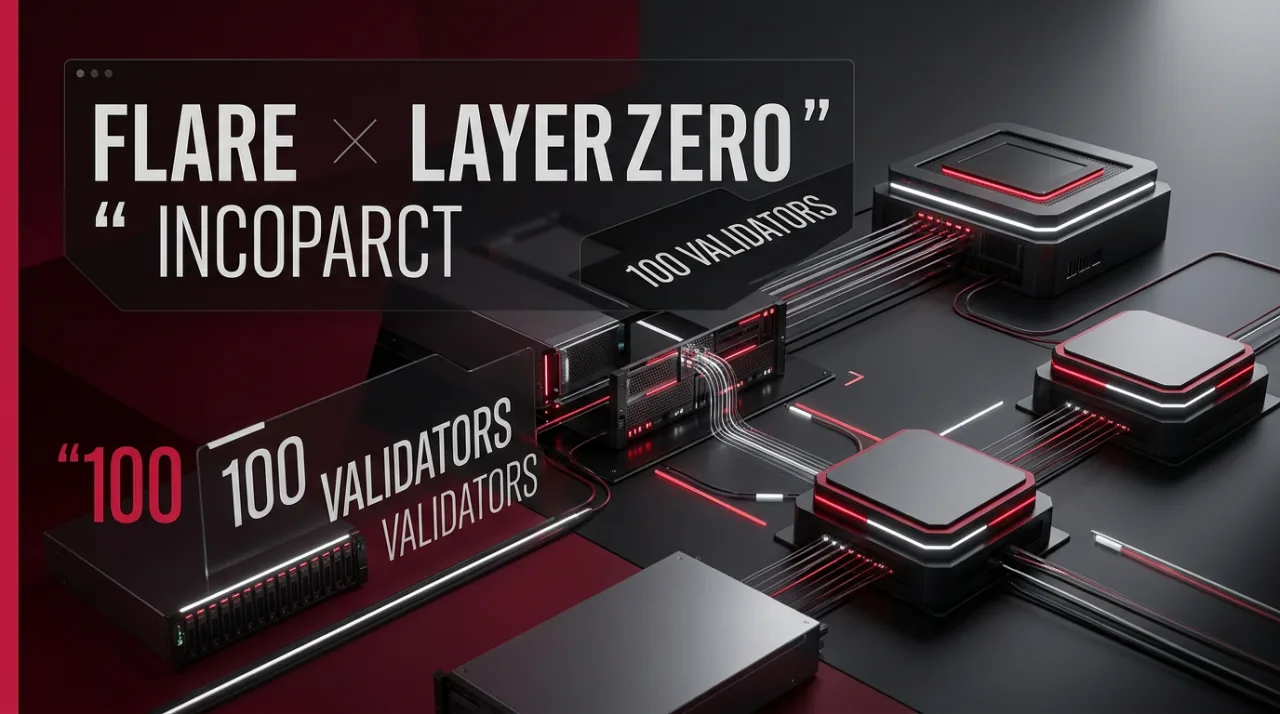
On November 12, 2026, Flare announced its entry as a Decentralized Verifier Network provider for LayerZero. The move brings Flare's Network of Data infrastructure to the verification of cross-chain messages on the LayerZero protocol.
Flare LayerZero DVN Mechanics and Validator Setup
The Flare DVN relies on the same 100 independent data providers that already secure the Flare blockchain. Each provider independently checks source-chain data before a message receives confirmation through stake-weighted majority agreement. Once verified, a proof moves to a destination-chain verifier contract where the DVN records its vote.
Delivery of messages remains permissionless, with Flare operating redundant relays to maintain uptime. Verifications occur as FDC requests and are paid in FLR, with 90 percent of fees directed to the FIRE treasury. The service initially covers Flare and Ethereum, with rapid addition of further EVM chains once FDC integration completes.
Issuers using the OFT Standard can include Flare in their customizable Security Stack. This requires an X-of-Y-of-N combination of DVNs, allowing optional adoption without altering existing token contracts.
Scope for OFT Standard and Cross-Chain Volume
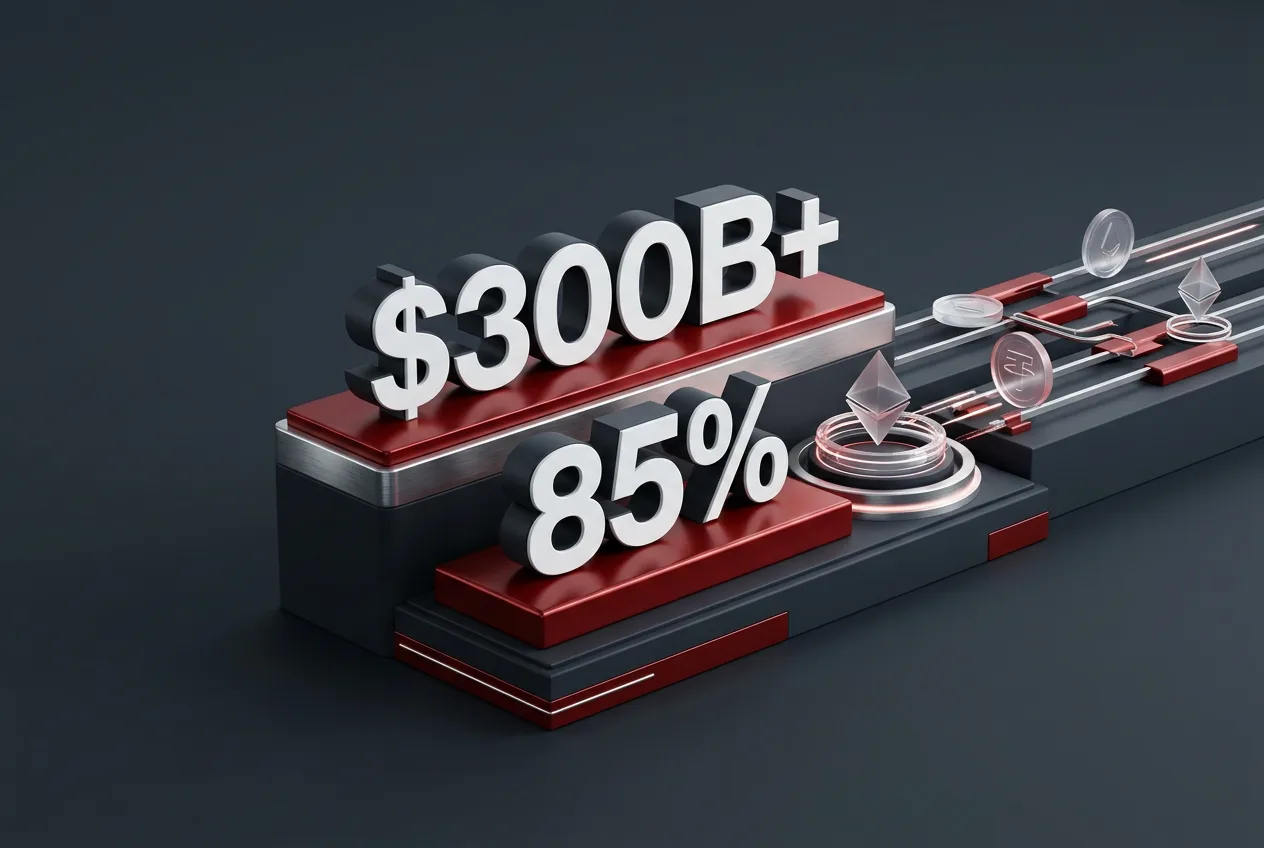
The OFT Standard already supports issuers such as Tether, PayPal, Paxos, Ondo, and Anchorage Digital. It accounts for more than 85 percent of cross-chain USD volume and more than 300 billion dollars in lifetime transfers across over 110 chains. Adding Flare provides another network-level, stake-weighted option alongside the 55-plus existing DVN providers.
Flare's data stack, including FDC and FTSO, currently secures FAssets and XRPFi bridges on seven networks. The new DVN extends the same verification model to any LayerZero-connected chain, broadening the reach of Flare's infrastructure beyond its native ecosystem.
Mainnet activation is scheduled for early December 2026. Documentation and developer resources will become available at launch, enabling OFT issuers to evaluate and request inclusion in their security configurations.
Background and Next Steps for Issuers
LayerZero already lists providers that include Deutsche Telekom MMS and Google Cloud. Flare's addition supplies a validator set drawn directly from an active blockchain network rather than centralized operators. Issuers retain full control over the specific DVN mix required for each token deployment.
Post-launch, teams can contact Flare or LayerZero to request addition to security stacks. No code changes are required on supported chains, and the service scales automatically as FDC expands to new networks.
Adoption will depend on individual issuer decisions. The architecture keeps message delivery permissionless while shifting verification to the stake-weighted vote of the 100 Flare validators.
Frequently asked questions
When does the Flare DVN on LayerZero reach mainnet?
Mainnet launch is targeted for early December 2026, beginning with Flare and Ethereum before expanding to additional EVM chains.
How many validators support the Flare LayerZero DVN?
The DVN uses the same 100 independent data providers that secure the Flare blockchain, reaching decisions through stake-weighted majority.
Which token standard gains optional Flare verification?
The OFT Standard used by issuers such as Tether, PayPal, and Paxos can add Flare to existing X-of-Y-of-N security configurations.
What payment token covers Flare DVN verifications?
Requests are paid in FLR, with 90 percent of fees allocated to the FIRE treasury.
Comments
No comments yet. Be the first!