News Acquisitions
Deepgram Daily acquisition expands voice agent infrastructure through Pipecat integration
Deepgram acquires Daily, the company behind the Pipecat voice AI framework, on October 29, 2026, to build an integrated voice agent platform.
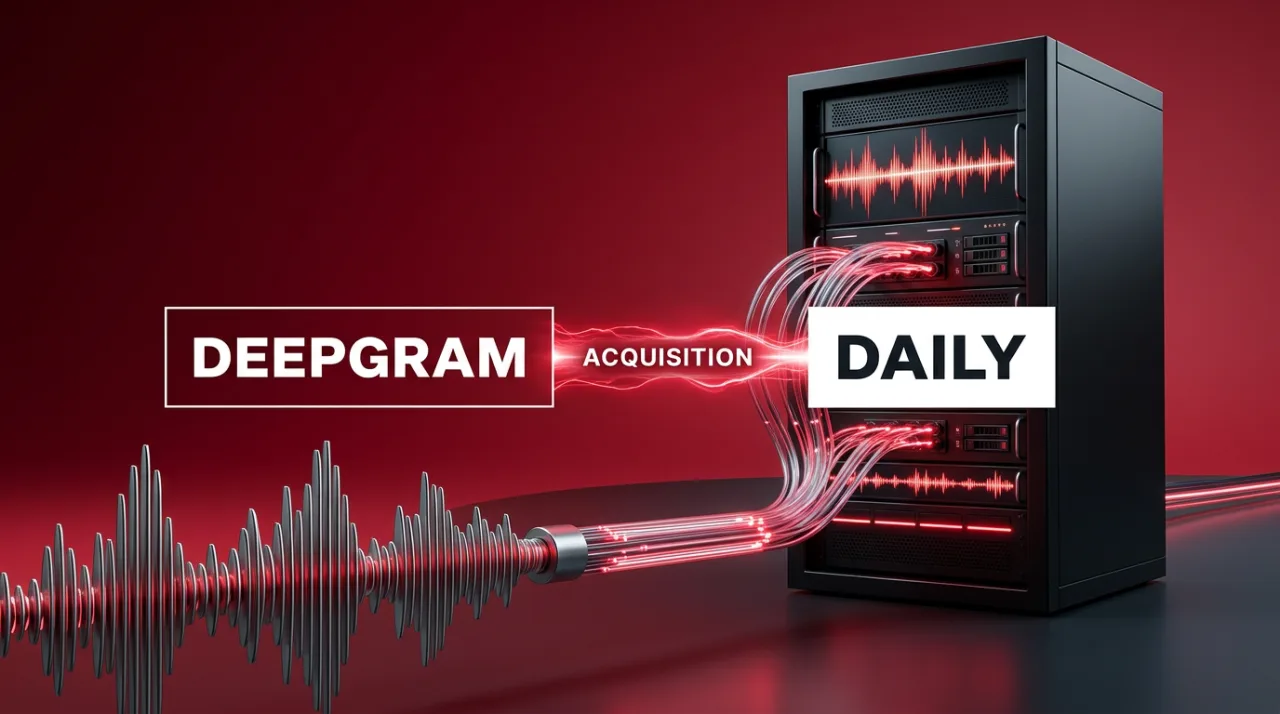
Deepgram announced its acquisition of Daily on October 29, 2026, at the company’s first Speak event in San Francisco. Daily maintains Pipecat, an open-source framework used to build voice and multimodal AI agents. The move adds Daily’s WebRTC infrastructure and real-time capabilities to Deepgram’s speech models and transcription services.
Deal structure and company backgrounds
Financial terms of the transaction were not disclosed. Daily’s team will join Deepgram, with co-founder Kwindla Hultman Kramer taking the role of Head of Open Source. Daily’s existing products for WebRTC and telephony continue under Deepgram without immediate changes to support or development. Both companies participated in the 2016 Y Combinator batch and have worked together on transcription features since around 2019. Daily had raised more than $62 million prior to the deal, while Deepgram reached unicorn status earlier in 2026 after a $130 million Series C round that valued the company at $1.3 billion.
Pipecat remains available under its existing BSD V2 license and stays vendor-neutral. Deepgram stated it will continue funding development and community contributions. An independent Pipecat Foundation will be formed with a steering committee that includes representatives from multiple companies across the real-time AI space.
Pipecat capabilities and Real-Time Context Standard
Pipecat is a Python framework that coordinates speech-to-text, large language models, text-to-speech, and additional components for voice agents. It manages low-latency audio and video streams across Daily’s global network of 75 points of presence, supports turn-taking, interruptions, and context handling, and offers more than 200 integrations with roughly 400 contributors. The framework processes real-time streams and maintains conversation state across model switches.
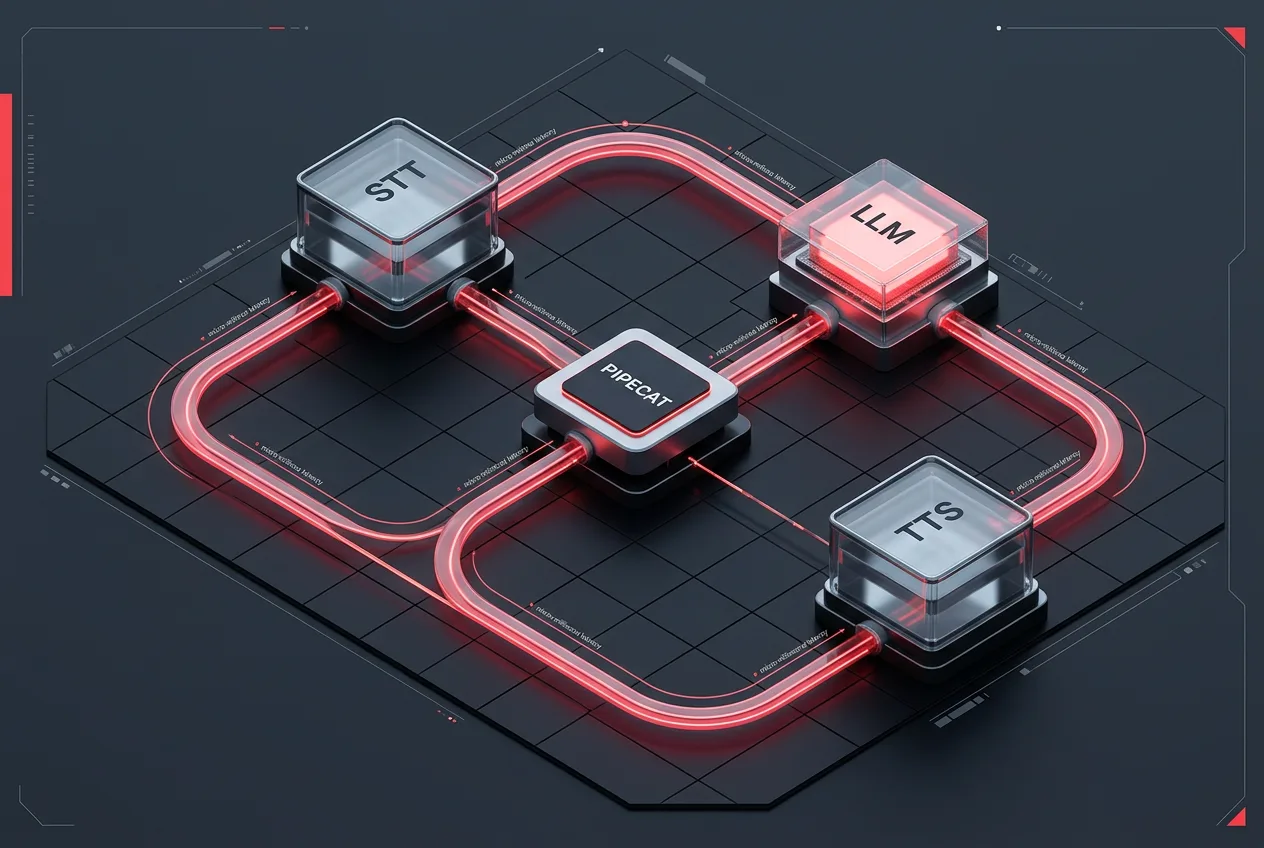
Alongside the acquisition, Deepgram and the Pipecat team released the Real-Time Context Standard, an open protocol that transmits audio metadata such as tone, speaker identity, and background information during model handoffs. The standard aims to preserve expressivity in multi-model pipelines and support clearer handling of clarification requests. It is designed to be extensible, with contributions invited through GitHub and demonstration projects.
Deepgram plans to combine Pipecat with Daily’s infrastructure and its own speech models to create the Deepgram Voice Agent Platform. The offering is positioned as a complete, open stack that gives developers control over model selection and configuration. Existing Daily and Pipecat users face no immediate service changes, while further integration work and foundation governance details are scheduled for the coming months.
Frequently asked questions
What happens to Pipecat after the Deepgram Daily acquisition?
Pipecat stays fully open source under the BSD V2 license. An independent foundation will govern its development with input from multiple companies, and Deepgram has committed continued funding and community support.
How does the Real-Time Context Standard work with Pipecat?
The standard carries audio and context metadata such as tone and speaker identity across model handoffs. It is released as an open, extensible protocol alongside the acquisition to improve expressivity in voice agent pipelines.
Will Daily’s existing products continue after the acquisition?
Daily’s WebRTC, telephony, and related services remain available and will be supported and developed by Deepgram. No immediate changes to pricing, support, or product roadmaps have been announced for current customers.
What is the new Deepgram Voice Agent Platform?
The platform integrates Pipecat orchestration, Daily’s real-time infrastructure, and Deepgram speech models into a single stack. It is intended to let developers build production voice agents with model choice and low-latency transport.
Comments
No comments yet. Be the first!