News Payments
Visa Fraud Report Details AI-Accelerated Attacks on Payment Providers
The Fall 2026 Visa Biannual Threats Report, published November 17, documents a 62 percent rise in third-party incidents and widespread use of AI to scale payment fraud during the first half of the year.
Visa released its Fall 2026 Biannual Threats Report on November 17 during International Fraud Awareness Week. The document covers threat activity observed by the Visa Payment Ecosystem Risk and Control team from January through June 2026. It shows that artificial intelligence is not inventing new fraud categories but is increasing the speed, scale, and precision of established attack methods.
Third-Party Credential Compromise and Downstream Exposure
Incidents involving third-party agents increased 62 percent compared with the prior six-month period. These providers accounted for approximately 56 percent of compromised payment credentials identified in the report. Recovered primary account numbers from data breaches rose more than 1,200 percent. A single intrusion at one service provider can expose credentials across multiple client organizations in sectors such as hospitality and technology.
The report describes these third-party entities as force multipliers for attackers. Once initial access is gained, automated tools move quickly to extract and monetize data. Payment account enumeration volume grew 35 percent year over year globally. Visa's Risk Operations Center blocked 200 percent more enumeration attempts than in the previous period, contributing to a 21.4 percent year-over-year decline in associated fraud losses.
Attackers increasingly rely on AI for reconnaissance, vulnerability scanning, phishing campaign generation, and code refinement. The reduced need for human operators allows campaigns to run continuously and adapt in real time to defensive controls. Visa notes that core network defenses have improved, pushing criminals toward weaker points in the broader ecosystem.
Scam Volume, Ransomware Trends, and Regional Patterns
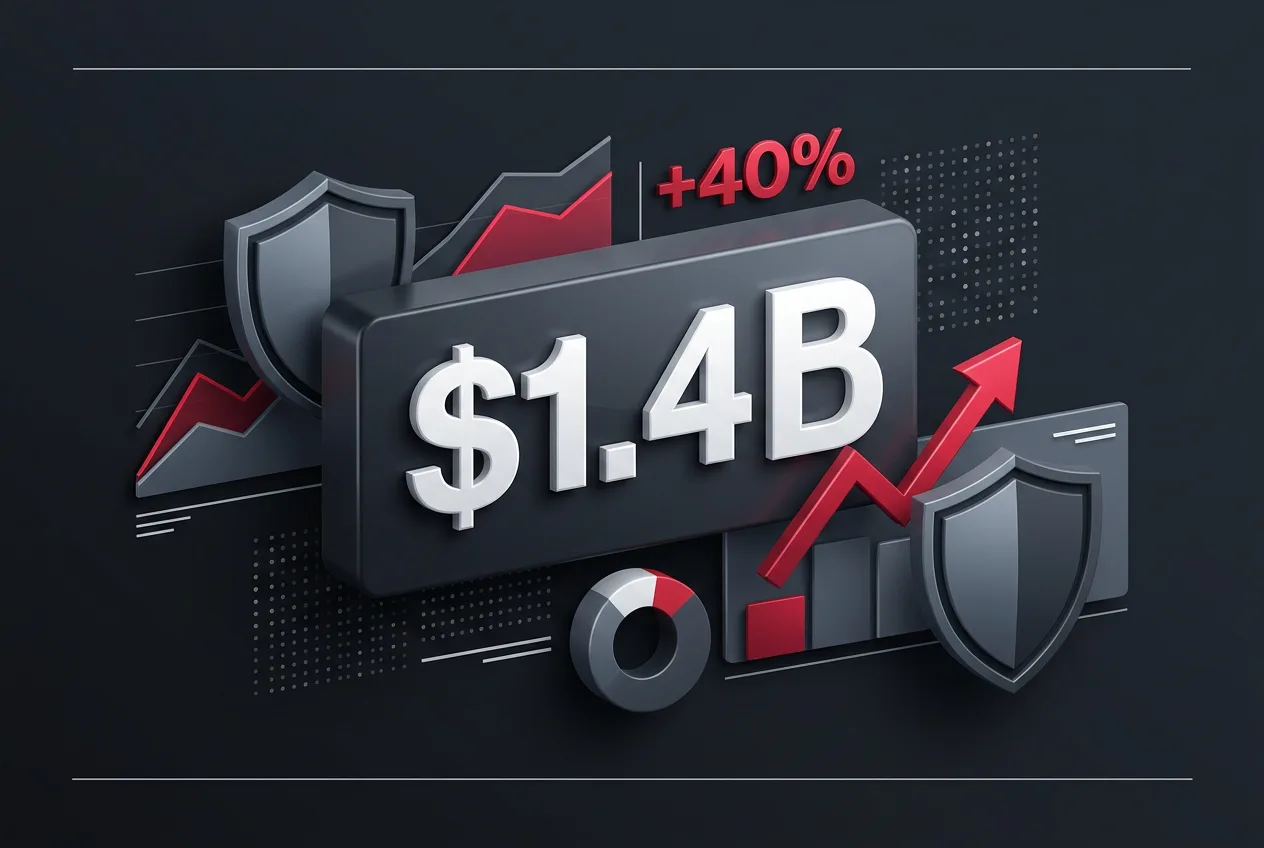
Visa Scam Disruption prevented more than 1.4 billion dollars in potential fraud, a 40 percent increase from the prior six months. The infrastructure behind these schemes spans regions and channels, including deceptive e-commerce sites, unauthorized recurring billing, investment scams, and impersonation operations. AI tools support multilingual messaging, deepfake content, and synthetic identity creation aimed at events, dating platforms, and travel bookings.
Ransomware cases rose 19 percent compared with the previous period and have increased 312 percent since 2021. Ten groups accounted for more than 80 percent of recorded incidents. Activity also increased around major global events, with travel and hospitality scams incorporating real customer details to appear legitimate. The report indicates that interconnected merchant networks continue to facilitate cross-border movement of illicit funds.
Visa states that its response strategy centers on upstream detection and the deployment of frontier models for scenario simulation. The company coordinates with law enforcement and uses the biannual findings to prepare holiday-season guidance. Emphasis is placed on proactive third-party risk management and AI-enabled monitoring tools ahead of peak transaction periods.
Shift Toward Ecosystem-Level Defenses
The Fall 2026 report builds on earlier findings that highlighted social engineering and scams. It reflects a broader market shift in which stronger protections at the network core have redirected criminal focus to service providers and intermediaries. Organizations that rely on external agents for payment processing now face heightened exposure through shared infrastructure.
Payment providers and merchants can apply the report's data to strengthen vendor oversight and implement continuous monitoring of third-party connections. Visa continues to share threat intelligence across its ecosystem to limit the downstream impact of individual breaches. The next reporting period will track whether current countermeasures reduce the observed acceleration in AI-assisted attacks.
Frequently asked questions
What does the Visa Fall 2026 Biannual Threats Report cover?
The report summarizes threat activity observed between January and June 2026, focusing on AI-accelerated fraud methods and a sharp rise in attacks targeting third-party payment agents.
How much did third-party incidents increase according to the report?
Incidents involving third-party agents rose 62 percent compared with the previous six months, and these providers were linked to 56 percent of compromised payment credentials.
What role does AI play in current payment fraud?
AI accelerates existing attack techniques rather than creating new categories, enabling faster reconnaissance, phishing, code refinement, and automated testing of controls with less human involvement.
What was the impact of Visa Scam Disruption efforts?
The program identified more than 1.4 billion dollars in potential fraud, a 40 percent increase from the prior six-month period, across multiple scam types and regions.
Comments
No comments yet. Be the first!