News OpenAI
OpenAI Decisions API Reaches General Availability for Structured Decisions with GPT-6 Luna
OpenAI made the Decisions API generally available on October 22, 2026, introducing a dedicated endpoint that uses GPT-6 Luna for rapid structured outputs in classification, routing, and scoring tasks.
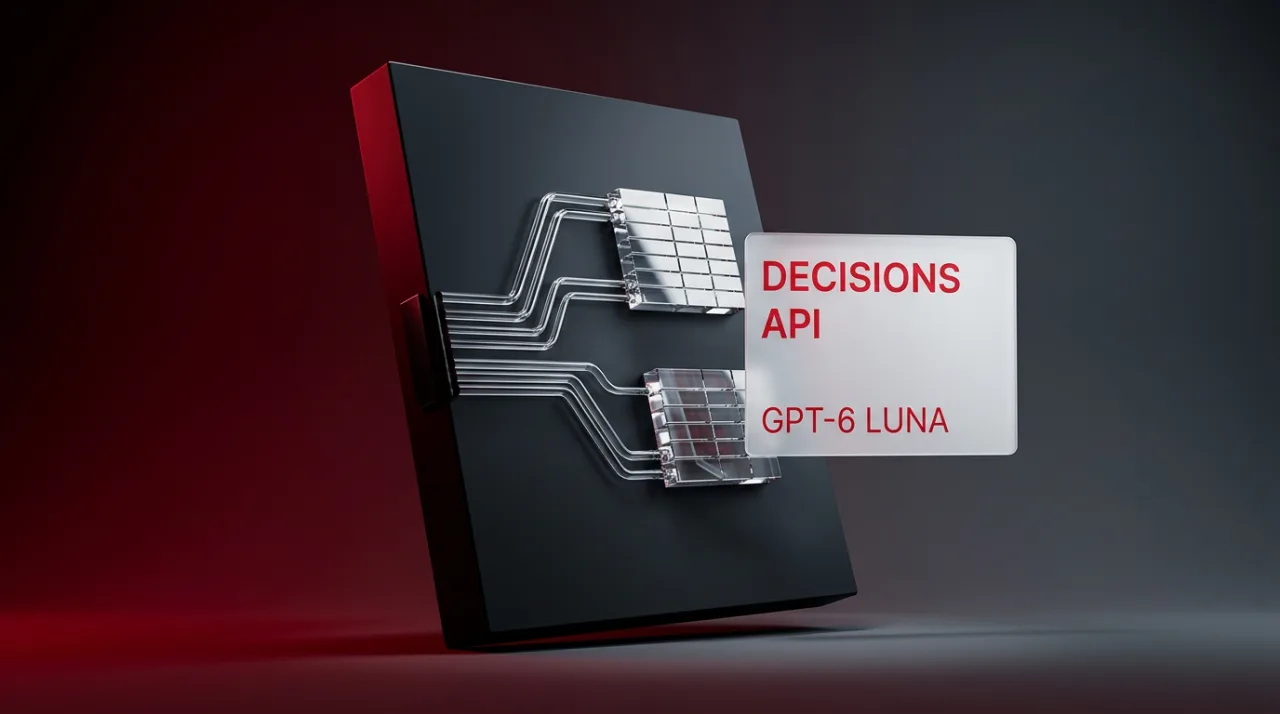
OpenAI released the Decisions API to general availability on October 22, 2026. The new service provides a dedicated endpoint that runs exclusively on the GPT-6 Luna model to deliver typed answers for classification, routing, scoring, and next-action selection from text, images, or JSON inputs.
OpenAI Decisions API Endpoint and Core Capabilities
The service uses the POST /v1/decisions endpoint and returns structured responses rather than free-form text. Users can submit up to 400 questions per request, an increase from the 200-question limit during the public beta that began on October 6. Inputs now support native JSON objects through the input_json field, and individual questions can include images via hosted URLs or base64 encoding.
Question types include predicate evaluations that return probabilities between 0 and 1, choice selections from predefined options with confidence scores, and score outputs that compute probability-weighted averages against ordered rubrics. The API can refuse to answer specific questions when content violates safety policies. Prompt caching is active at launch, with cached inputs priced at $0.01 per million tokens.
Additional features added for general availability include conversation history support, usage reporting, inference residency options in the US and EU, and Private Link connectivity. The endpoint also integrates directly with GPT-Live for low-latency agent loops. Zero Data Retention and HIPAA compliance remain available for qualified customers.
Performance Benchmarks and Pricing Details
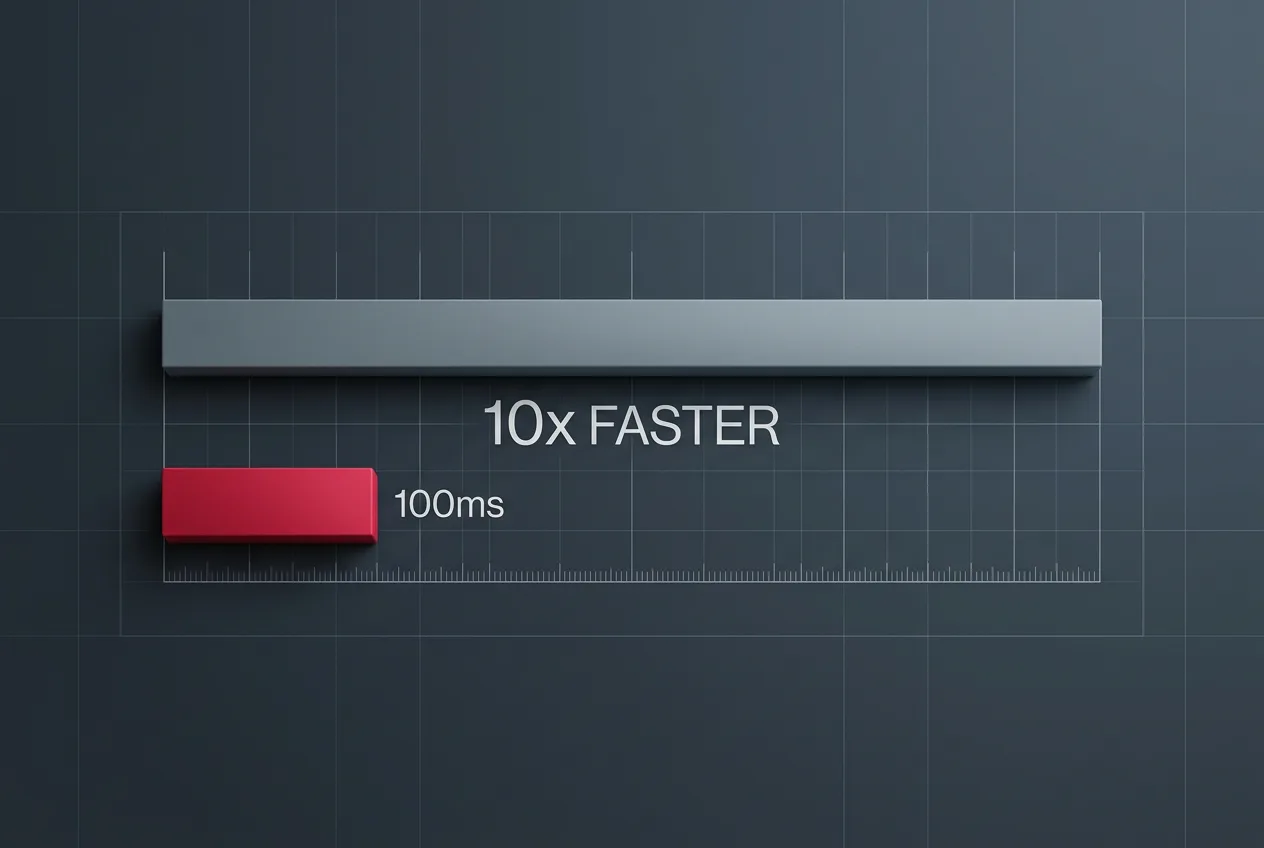
OpenAI reports that the Decisions API delivers up to ten times lower latency than the same GPT-6 Luna model accessed through the Responses API. Example workloads show p95 latencies between 100 and 280 milliseconds. Early users documented concrete gains: Box recorded roughly five times faster document routing on insurance files, Datadog achieved 40 times faster p95 latency for agent command risk scoring, and Ramp cut AI cost attribution expenses by 30 percent while running four times faster.
Pricing follows a simple input-only model. Non-cached tokens cost $0.10 per million, with no charges for output tokens. Regional premiums and long-context multipliers may apply. The model itself belongs to the GPT-6 family introduced in late September 2026 and carries a 50 percent price reduction relative to earlier comparable versions.
Production customers already using the service include Sierra, which maintains sub-280-millisecond p95 response times for orchestration workflows, and Speak, which reported more than a 90 percent reduction in time-to-action when routing live conversations. The API remains accessible to all OpenAI platform users through the standard console and Playground, and Microsoft has enabled it inside Azure OpenAI and Microsoft Foundry environments.
Background on GPT-6 Luna and Next Steps
GPT-6 Luna was released alongside a higher-capacity sibling model in September 2026 as an efficiency-focused option within the GPT-6 series. The Decisions API applies targeted optimizations that make the model suitable for high-volume micro-decisions that previously required heavier general-purpose calls. No further model expansions or pricing changes have been announced for the immediate future.
Developers can begin migration from custom prompt chains by testing the new endpoint against existing decision trees. The service supports both direct API calls and integration through existing SDKs, with documentation covering request schemas and response formats now available on the developer portal.
Frequently asked questions
When did the OpenAI Decisions API reach general availability?
OpenAI moved the Decisions API from public beta to general availability on October 22, 2026. The public beta had started on October 6 after an initial limited preview at DevDay on September 29.
What model powers the OpenAI Decisions API?
The service runs exclusively on GPT-6 Luna. It returns typed answers for classification, choice, score, and predicate questions instead of generated text.
How does pricing work for the Decisions API?
Input tokens cost $0.10 per million for non-cached requests and $0.01 per million for cached inputs. There are no charges for output tokens.
Which question formats does the Decisions API support?
It supports predicate questions returning 0–1 probabilities, choice questions from predefined options, and score questions that compute weighted averages against ordered rubrics.
Comments 2