News South Korea
South Korea Stablecoin Bill Sets Bank-Led Won Stablecoin Rules and Exchange Ownership Caps
South Korea’s FSC released a draft bill on November 24, 2026, that restricts won stablecoin issuance to bank-led consortia and caps major shareholdings in crypto exchanges at 20 percent.
South Korea’s Financial Services Commission released a draft of the Act on Innovation in the Digital Asset Industry and User Protection on November 24, 2026. The bill establishes the first detailed framework for won-denominated stablecoins and introduces ownership restrictions on digital asset platforms.
Stablecoin Issuance Limited to Bank-Majority Consortia
The draft requires that any issuer of won stablecoins operate as a consortium in which banks hold more than 50 percent of the equity. Individual fintech or technology companies may serve as the single largest shareholder but cannot exceed the banks’ collective stake. Issuers must obtain prior FSC authorization, maintain at least 5 billion won in equity capital, and hold 100 percent of reserves in assets deposited at banks or equivalent institutions.
Redemption must occur at face value on demand, and issuers are prohibited from paying interest. Entities planning issuance must submit detailed plans for approval. Stablecoins that reach 1 trillion won or more in circulation may receive designation as significant digital payment tokens, which would trigger additional capital and liquidity requirements plus possible joint inspections by the Bank of Korea.
Foreign stablecoins such as USDT and USDC could operate domestically if their issuers register a local branch, meet the same reserve and authorization standards, and receive FSC registration. The rules aim to channel stablecoin activity through regulated domestic entities while allowing limited foreign participation under comparable oversight.
Ownership Caps Applied to Crypto Exchanges
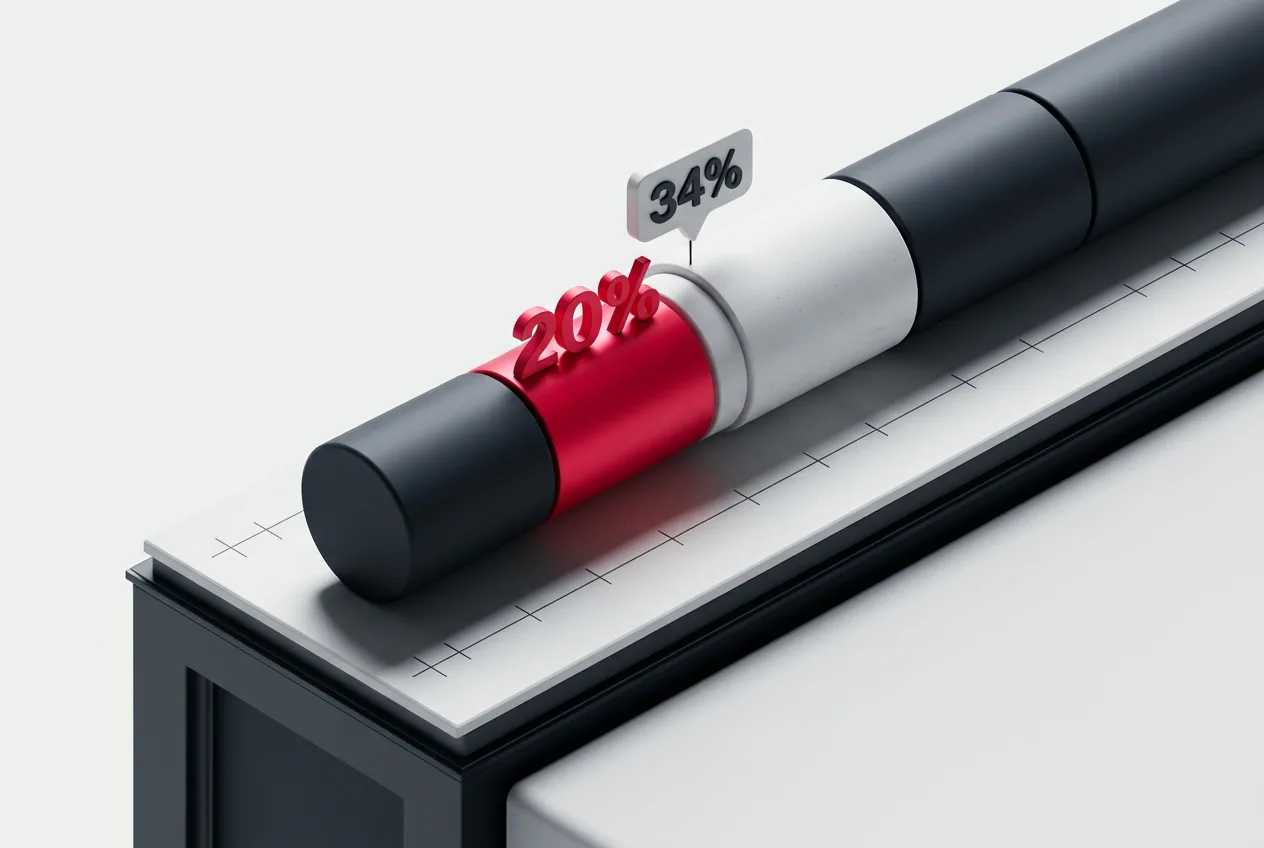
The bill caps major shareholder stakes in crypto exchanges at 20 percent. Stakes up to 34 percent may be approved on a case-by-case basis, modeled on existing rules for alternative trading systems. Any holdings above the cap lose voting rights. Existing exchanges receive a three-year grace period after designation, with smaller platforms eligible for up to three additional years, for a maximum of six years.
The legislation also reopens domestic initial coin offerings, which have been restricted since 2017. Projects must publish a whitepaper that discloses risks and intended use of funds, followed by a required deliberation period before public solicitation. Exchanges will face new reporting obligations on tokens they list. Operators bear no-fault liability for losses from hacking or system failures and may face punitive surcharges up to 10 percent of revenue.
Separate licenses will cover trading, brokerage, and custody activities, aligning digital asset services with broader financial consumer protection standards. The FSC stated that the measures seek to balance innovation with monetary stability after more than a year of internal deliberations.
Legislative Timeline and Implementation Steps
The draft now moves to the National Assembly for review and possible amendment. Enactment timing remains uncertain, with some provisions scheduled to take effect one year after promulgation. Enforcement decrees will later specify exact ownership criteria and technical requirements. The bill builds on the 2024 user-protection law and incorporates input from both the FSC and the Bank of Korea on the role of banks in stablecoin issuance.
Frequently asked questions
What ownership structure does the South Korea stablecoin bill require for won stablecoin issuers?
Issuers must form consortia in which banks hold more than 50 percent of equity, though a single fintech firm may be the largest individual shareholder.
What capital and reserve requirements apply under the FSC draft bill?
Issuers need a minimum of 5 billion won in equity capital and must maintain 100 percent reserves deposited at banks, with redemption available at face value on demand.
How does the bill limit ownership in crypto exchanges?
Major shareholders face a 20 percent cap, extendable to 34 percent with approval, and excess stakes lose voting rights. Existing platforms receive a three-year grace period.
Can foreign stablecoins operate in South Korea under the new rules?
Yes, provided issuers register a local branch, meet reserve and authorization standards, and obtain FSC registration.
Comments
No comments yet. Be the first!