News Azure
Microsoft Azure AI Foundry Expands Enterprise Neural Network Model Training Options
Microsoft Azure AI Foundry adds supervised fine-tuning, reinforcement methods and serverless GPU options for enterprise neural network training at scale.
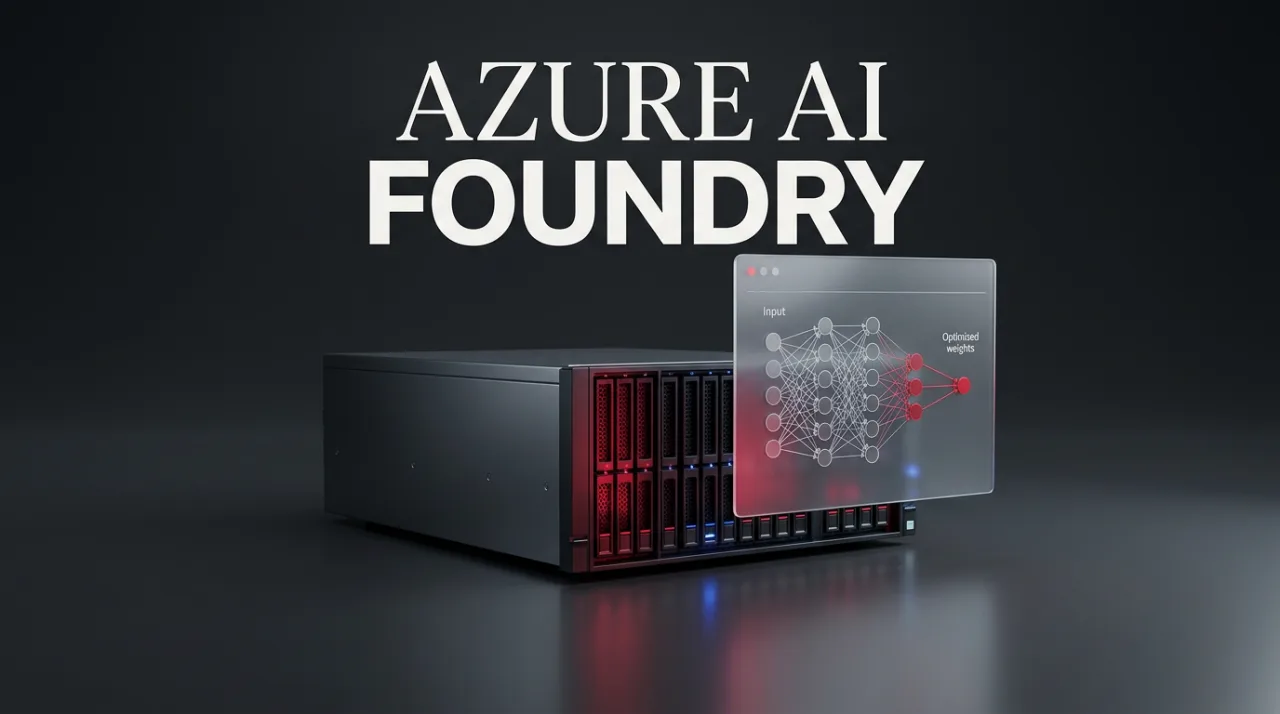
Microsoft Azure AI Foundry now supports expanded fine-tuning methods for foundation models, giving enterprises managed and programmable options for neural network training. The platform consolidates Azure AI services into a single resource model that handles data submission, infrastructure allocation and deployment under enterprise controls. As of November 2026 the service counts more than 80,000 enterprise customers and processes over 100 trillion tokens per quarter.
Technical capabilities for neural network training
Developers can choose between managed training, where the platform handles compute resources after data and parameters are supplied, and programmed training in preview that lets Python scripts control loops for reinforcement learning, preference optimization and model distillation on serverless GPUs. Supported techniques include supervised fine-tuning, direct preference optimization, reinforcement fine-tuning and parameter-efficient methods such as LoRA and QLoRA. The service integrates with Azure Machine Learning for larger custom workloads and provides a no-hosting-fee developer tier for initial experimentation.
Model catalogs exceed 11,000 entries from OpenAI, Anthropic, Meta, xAI and Hugging Face, plus Microsoft’s own MAI family. Training jobs run on Azure Maia accelerators with regional availability that recently expanded to include Qatar. Outputs can move directly to multi-agent orchestration or production endpoints with built-in observability and content safety filters.
Enterprise governance and scale
Foundry applies unified role-based access, networking policies and identity controls through Microsoft Entra Agent ID across every project. Tracing, evaluation metrics and ROI tracking tools allow teams to measure model performance after deployment. The platform already handles 2–3 billion daily enterprise search queries and supports 80 percent of Fortune 500 companies.
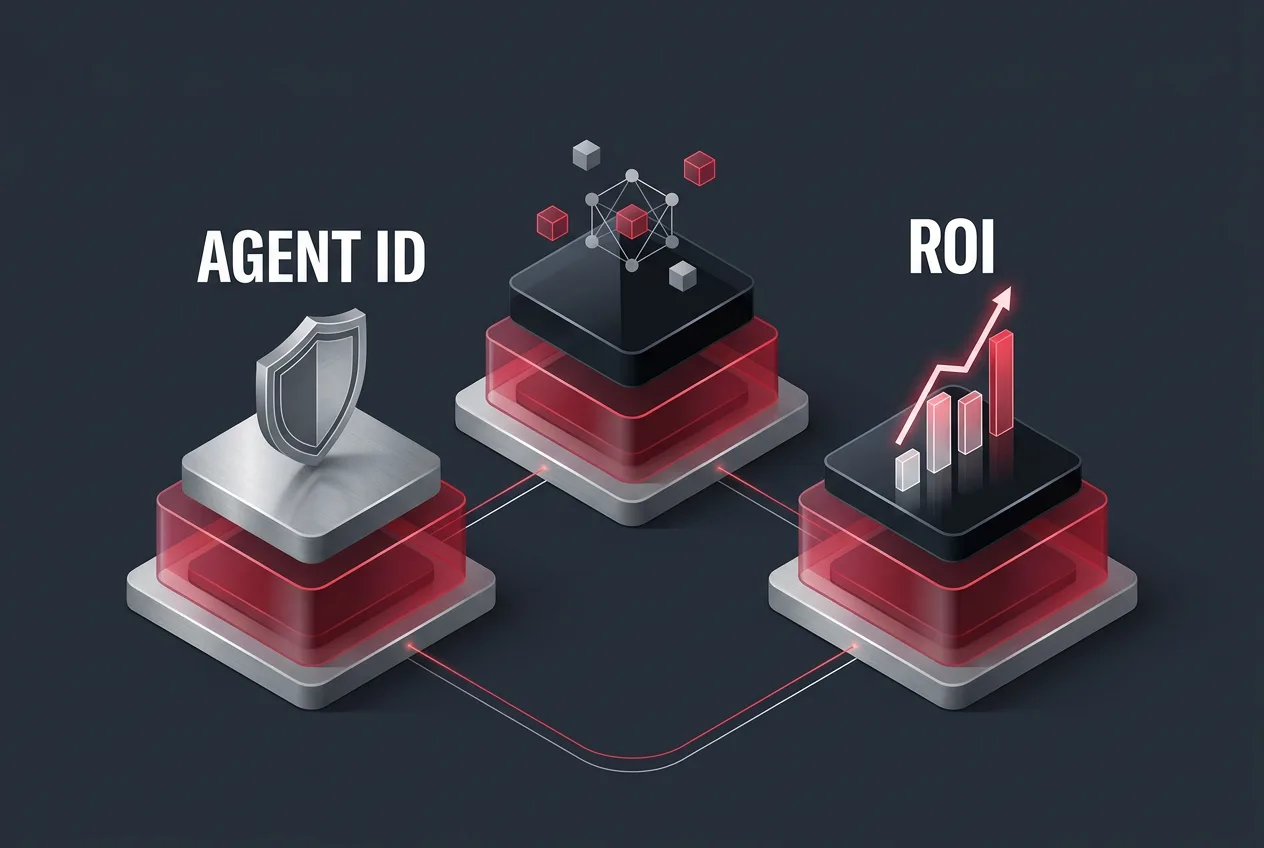
Integrations with GitHub, VS Code, Copilot Studio and Fabric let development teams keep training pipelines inside existing workflows. Governance features cover compliance standards required by regulated industries, while model routing automatically selects cost-efficient options during inference. Future milestones include additional observability releases and expanded multimodal models expected through 2027.
Frequently asked questions
What fine-tuning methods does Microsoft Azure AI Foundry support?
The platform supports supervised fine-tuning, direct preference optimization, reinforcement fine-tuning and parameter-efficient approaches such as LoRA on managed or serverless GPU infrastructure.
How many models are available in Microsoft Azure AI Foundry?
The catalog contains more than 11,000 models from providers including OpenAI, Anthropic, Meta, xAI and Microsoft’s MAI family, accessible for training and inference.
What enterprise controls are included with Microsoft Azure AI Foundry?
Unified RBAC, networking policies, Entra identity, content safety, tracing and evaluation tools apply across all projects and trained models.
Can developers run custom training loops in Microsoft Azure AI Foundry?
A programmed training preview allows Python-controlled loops for reinforcement learning, preference optimization and distillation without managing underlying clusters.
Comments 3