News Toss
Toss Coin Wallet Launches Non-Custodial Support for ETH, USDT and USDC
Viva Republica's Toss introduced the Toss Coin Wallet on November 15-16, 2026, giving 30 million users direct access to non-custodial transfers of ETH, USDT and USDC.
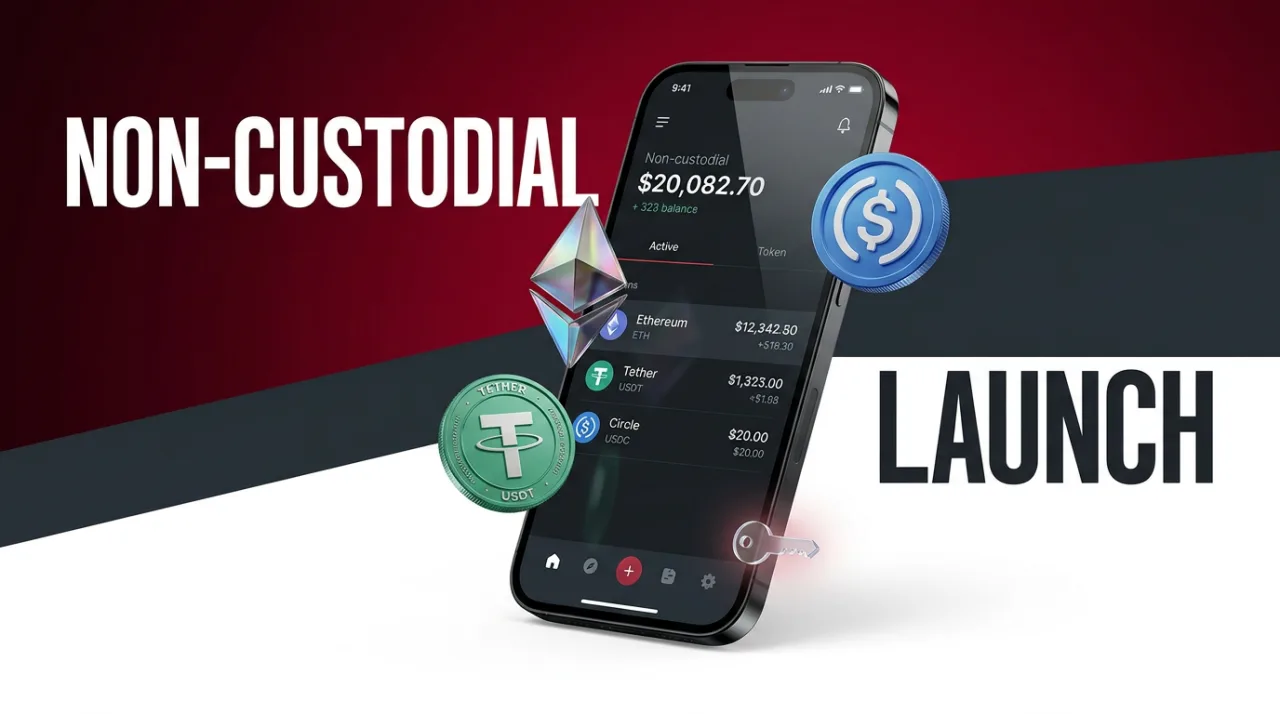
Viva Republica's Toss super app rolled out its non-custodial Toss Coin Wallet on November 15-16, 2026. The feature appears inside the existing app for roughly 30 million users with no separate registration required.
The wallet supports only ETH, USDT and USDC on the Ethereum network at launch. Users can view balances and transaction history, then send or receive tokens to any external address or exchange.
Toss Coin Wallet Features and Integration
Transfers rely on phone contacts rather than long wallet addresses. The non-custodial design means Toss never holds private keys or user funds; every movement records directly on the Ethereum blockchain. No platform or transfer fees apply from Toss, though users pay standard Ethereum gas costs.
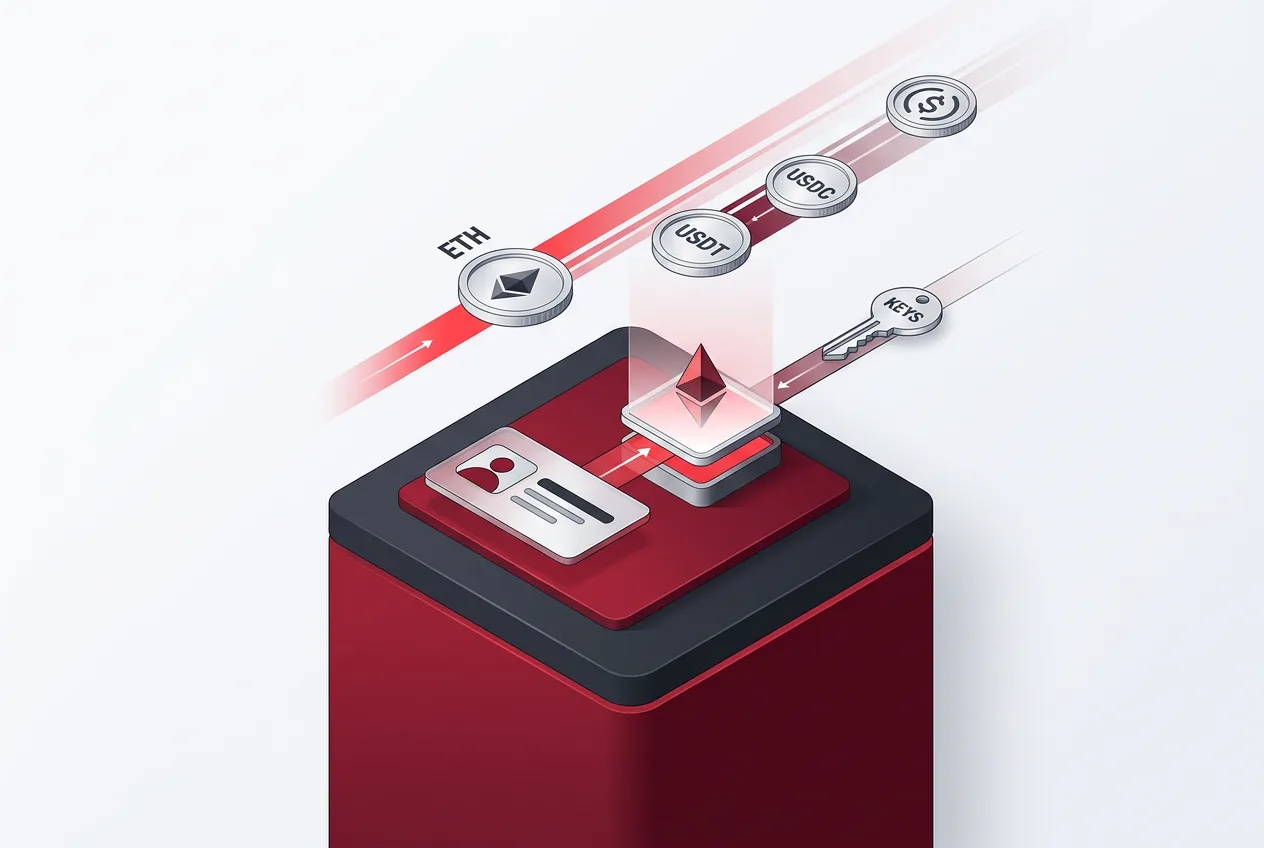
Integration inside the main Toss app removes extra downloads or eligibility checks. The company selected the three assets for their high trading volume and global acceptance. After initial stabilization, Toss plans to add more assets and networks gradually.
Contact-based sending reduces errors common with manual address entry. Transaction history remains visible inside the app alongside traditional banking and payment tools already offered by Toss. The rollout marks the first user-facing digital-asset product from the platform.
Company Background and Prior Developments
Viva Republica created a dedicated digital-asset team earlier in 2026. That step followed a July 2026 memorandum of understanding with Circle to explore stablecoin use cases. Toss Bank had already run a proof-of-concept for USDC remittances over Solana before the current wallet launch.
The new wallet continues that sequence without shifting to a custodial model. Company statements emphasize that asset selection focused on liquidity and utility rather than speculation. Officials have noted they may apply for a virtual asset service provider license depending on regulatory developments in South Korea.
Existing Toss users gain immediate access to on-chain activity while remaining inside the familiar interface. The approach aligns with broader fintech trends that combine traditional payments with selective blockchain functions. No promotional campaigns accompanied the release; the feature simply appeared for eligible accounts.
Expansion Plans and Market Context
Toss intends to monitor service stability before introducing additional tokens or chains. Officials have also mentioned interest in stablecoin payments through the company's own terminals once infrastructure and licensing allow. Future decisions on custodial options will depend on evolving South Korean virtual-asset rules.
The launch occurs amid ongoing regulatory discussions in South Korea about licensing and consumer protections for digital assets. Other fintech platforms in the region have pursued similar wallet integrations, yet few operate at Toss scale. The contact-based transfer mechanic could reduce friction for users accustomed to mobile banking but new to blockchain addresses.
Market observers note that non-custodial designs shift responsibility for key management to individuals. Toss has stated it will continue evaluating regulatory compliance paths while expanding supported functionality over time. No firm timelines have been released for the next asset additions or licensing steps.
Frequently asked questions
What assets does the Toss Coin Wallet support at launch?
The wallet supports only ETH, USDT and USDC on the Ethereum network. Users can view balances, transaction history and send or receive these tokens to external addresses.
Does Toss hold user funds or private keys in the Toss Coin Wallet?
No. The wallet operates on a non-custodial model where Toss does not store funds or keys. All transfers occur directly on the Ethereum blockchain.
Are there any fees charged by Toss for using the Toss Coin Wallet?
Toss charges no platform or transfer fees. Users pay only the standard Ethereum gas fees required by the network.
How do contact-based transfers work in the Toss Coin Wallet?
Users select recipients from their phone contacts instead of entering wallet addresses. The system maps contacts to on-chain transfers while keeping the experience inside the Toss app.
What are the next steps planned for the Toss Coin Wallet?
Toss will focus on service stabilization before adding more assets and networks. The company is also preparing a VASP license application and exploring stablecoin payment integration through its terminals.
Comments
No comments yet. Be the first!