News VPN
X-VPN Talaria Protocol Delivers Over 200% Speed Gains in Internal Tests
X-VPN introduced its Talaria protocol in October 2026 with a November 9 announcement confirming more than 200 percent aggregate speed improvements in internal benchmarks.

X-VPN released its proprietary Talaria protocol to the public in mid-to-late October 2026. The company issued a GlobeNewswire statement on November 9 confirming aggregate speed gains above 200 percent in high-bandwidth internal tests conducted after server upgrades.
X-VPN Talaria Protocol Rollout Timeline and Testing Results
The source code for Talaria appeared on GitHub under an AGPL v3 license on October 16. Support documentation and client integration updates followed through the end of October. Internal benchmarks compared Talaria against prior X-VPN protocols including WireGuard and Everest variants on Windows, macOS, iOS and Android devices.
Windows tests on a 10 Gbps Singapore-to-Singapore route showed median download speeds rising from 1,536 Mbps to 5,706 Mbps. Across 1 Gbps and 100 Mbps connections the protocol retained at least 95 percent of baseline throughput on local, regional and long-haul routes. Upload speeds followed similar patterns in the same test matrix.
The improvements coincided with hardware upgrades that added 10 Gbps to 25 Gbps ports in multiple regions. X-VPN stated these changes together produced the reported speed increases for streaming, gaming and large file transfers.
Technical Design of the Talaria Protocol
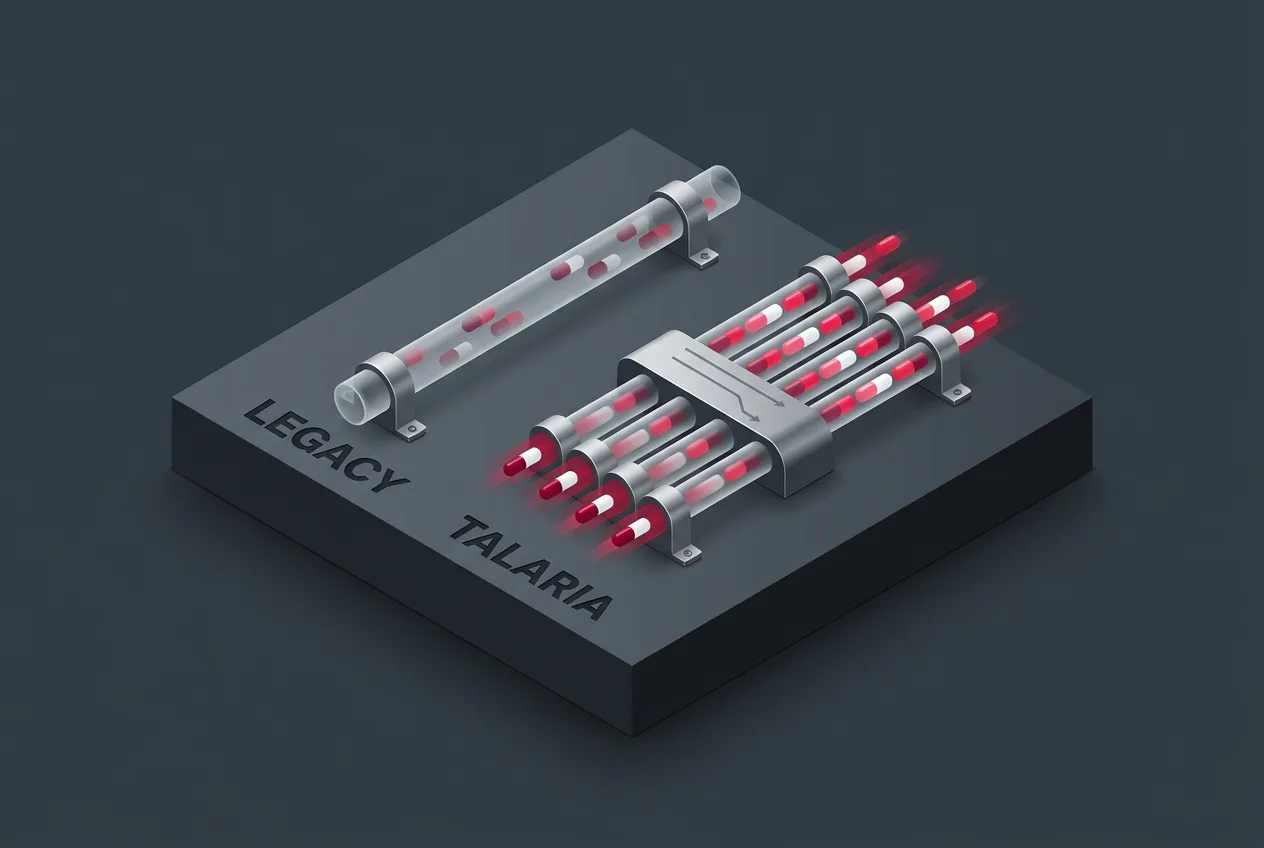
Talaria employs parallel transport channels per application connection and batch packet processing to lower overhead on high-bandwidth links. Flow-level forwarding operates on supported network paths. The protocol supports both UDP and TCP modes and is written in Go as an embeddable library.
Cryptography uses TLS 1.3 with a hybrid post-quantum key exchange combining X25519 and ML-KEM-768. Additional features include authenticated encryption, replay protection and directional keys. An independent audit by Vantage Point Security ran from September 8 to September 24 and identified no vulnerabilities at any severity level.
Four minor observations from the audit were addressed and re-verified before public release. The full source code remains available on GitHub for continued community review. X-VPN positions Talaria as a distinct option separate from WireGuard, OpenVPN and its earlier Everest family of protocols.
Availability, Security Audit and Next Steps
Talaria is available at no extra cost to both free and premium X-VPN subscribers on Windows, macOS, iOS and Android. Users select the protocol inside the application settings menu. Support for Windows ARM devices is not yet active.
The protocol can be chosen alongside existing options in the client. Real-world performance will vary according to device hardware, local network conditions and the chosen server location. X-VPN indicated that further infrastructure scaling remains under consideration as adoption grows.
Independent verification of the speed claims is still limited because the numbers originate from company-controlled tests. Wider user data and third-party benchmarks are expected in coming months.
Frequently asked questions
When did X-VPN release the Talaria protocol?
The source code became public on GitHub on October 16 2026. A broader announcement followed on November 9 with updated client support pages released in late October.
What speed improvements does the Talaria protocol show?
Internal 10 Gbps tests recorded aggregate gains above 200 percent compared with prior protocols. A Windows Singapore route example moved from 1,536 Mbps to 5,706 Mbps median download.
Is the Talaria protocol open source?
Yes. The code is published on GitHub under the AGPL v3 license and includes both client and server components written in Go.
Has Talaria undergone security review?
An independent audit by Vantage Point Security completed in September 2026 found no vulnerabilities. Four low-level observations were fixed before launch.
Which platforms currently support the Talaria protocol?
Windows, macOS, iOS and Android clients include the option. Windows ARM builds do not yet offer Talaria selection.
Comments
No comments yet. Be the first!