News Stablecoins
Canada stablecoin rules enter 60-day consultation requiring 1:1 reserves and fee caps
Canada opened a 60-day public consultation on October 24, 2026, on draft stablecoin regulations that mandate 1:1 high-quality liquid asset reserves and cap redemption fees at 1 percent for non-bank issuers.

Canada opened a 60-day public consultation on October 24, 2026, on draft stablecoin regulations that would require non-bank issuers of fiat-backed stablecoins to maintain daily 1:1 reserves in high-quality liquid assets and cap redemption fees at 1 percent. The consultation implements the Stablecoin Act, which received royal assent on March 26, 2026, and applies to domestic and qualifying foreign issuers serving Canadian users. The Bank of Canada would register and supervise issuers under the proposed framework.
Reserve and custody requirements under Canada stablecoin rules
The draft rules specify that issuers must hold reserves consisting of cash or demand deposits, government debt securities maturing in three months or less, overnight reverse repurchase agreements, or qualifying money market funds, all denominated in the reference fiat currency. These assets must sit in segregated accounts at Canadian-incorporated custodians such as banks, credit unions, or trust companies, with explicit bankruptcy-remote protections to shield holders from issuer insolvency. Daily reconciliation and independent verification are required to ensure the 1:1 backing ratio never falls below the threshold.
Issuers must also maintain detailed policies covering governance, operational risk management, cybersecurity, and resolution planning. Monthly public disclosures would include accountant-attested reports on reserve composition and any material changes. Existing issuers would receive a 30-day window after the rules take effect to complete registration with the Bank of Canada. Violations of core requirements could trigger administrative penalties reaching C$10 million.
The framework explicitly excludes prudentially regulated banks and credit unions from the new issuer registration process while extending certain Retail Payment Activities Act obligations to payment service providers that facilitate stablecoin transactions. Foreign issuers seeking to offer products to Canadians must demonstrate equivalent regulatory standards in their home jurisdiction or establish a Canadian presence for supervision.
Redemption procedures, yield restrictions, and oversight timeline
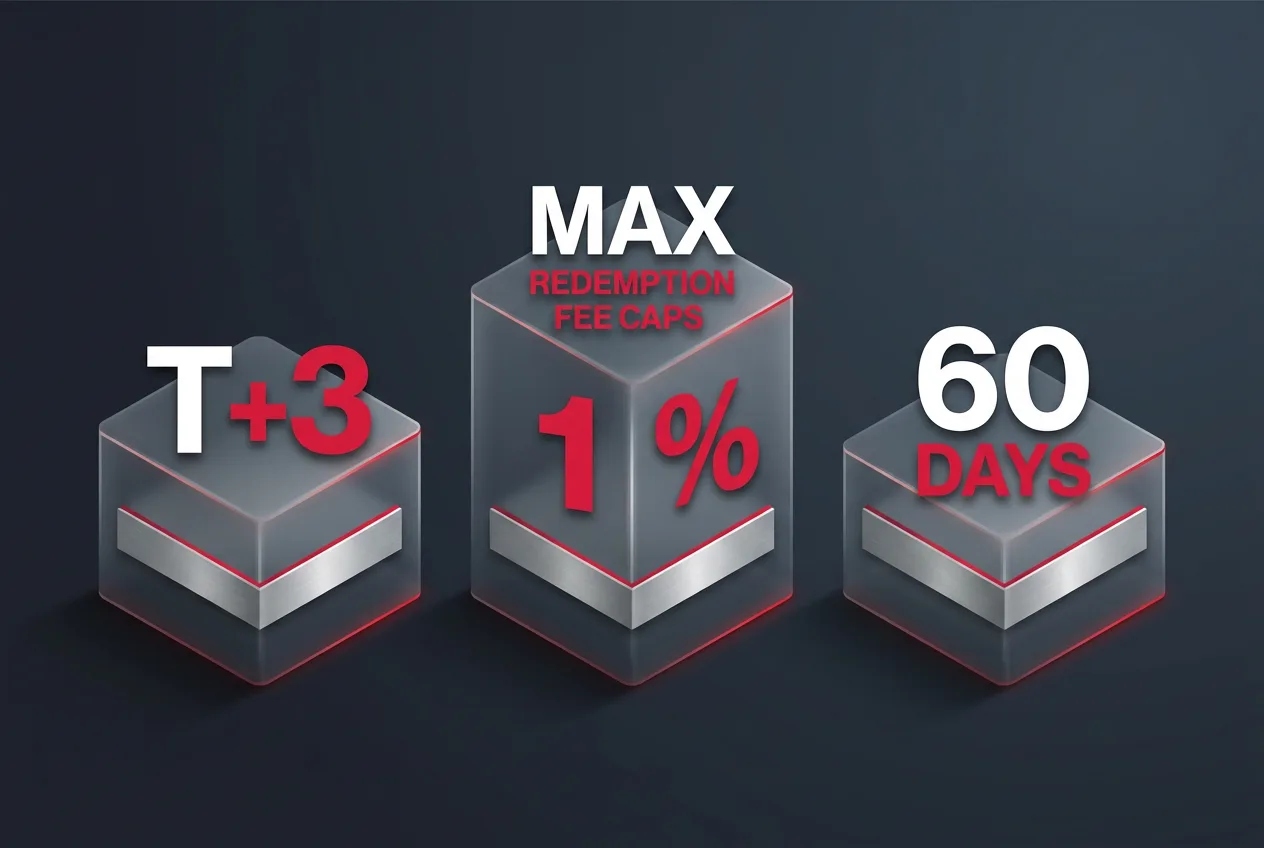
Under the proposed regulations, any holder may redeem stablecoins at par value in the reference currency within three business days without a minimum redemption amount. Redemption fees cannot exceed 1 percent of the redeemed value, and issuers must provide at least seven days’ notice before increasing any fee schedule. Temporary daily redemption limits are permitted only when liquidity shortfalls occur in reserve assets, with prompt notification to the Bank of Canada.
Issuers are prohibited from paying interest or other yields solely for holding stablecoins, whether directly or through third-party arrangements such as revenue-sharing programs. Rewards tied to specific transactions or usage remain allowed. The Bank of Canada would issue detailed guidelines on compliance after final rules are published, including reporting templates and audit standards.
The consultation period closes at 11:59 p.m. Eastern Standard Time on December 23, 2026. Final regulations are scheduled to take effect in fall 2027 through an order in council, aligning with broader international efforts that reference the U.S. GENIUS Act. The Bank of Canada is expected to begin accepting registration applications once the rules are confirmed.
Frequently asked questions
Who must comply with the proposed Canada stablecoin rules?
Non-bank domestic and qualifying foreign issuers of fiat-backed stablecoins offered to Canadians fall under the new requirements. Prudentially regulated banks and credit unions remain outside the issuer registration process.
What assets qualify for stablecoin reserves in the draft regulations?
Reserves must consist of cash, short-term government debt, overnight reverse repos, or qualifying money market funds held in segregated accounts at Canadian custodians with bankruptcy protections.
How quickly must issuers process redemptions under the consultation draft?
Redemptions at par must occur within three business days for any amount, with fees capped at 1 percent and seven days’ advance notice required for fee changes.
When will the final Canada stablecoin rules take effect?
The consultation ends December 23, 2026, and the regulations are planned to come into force in fall 2027 after an order in council.
Comments 1