News Salesforce
Salesforce Hunter AI Agent Targets Outbound Sales Tasks on Agentforce
Salesforce rolled out Hunter, an AI-powered outbound sales agent on Agentforce, in September 2026 with pilot access and general availability set for November.
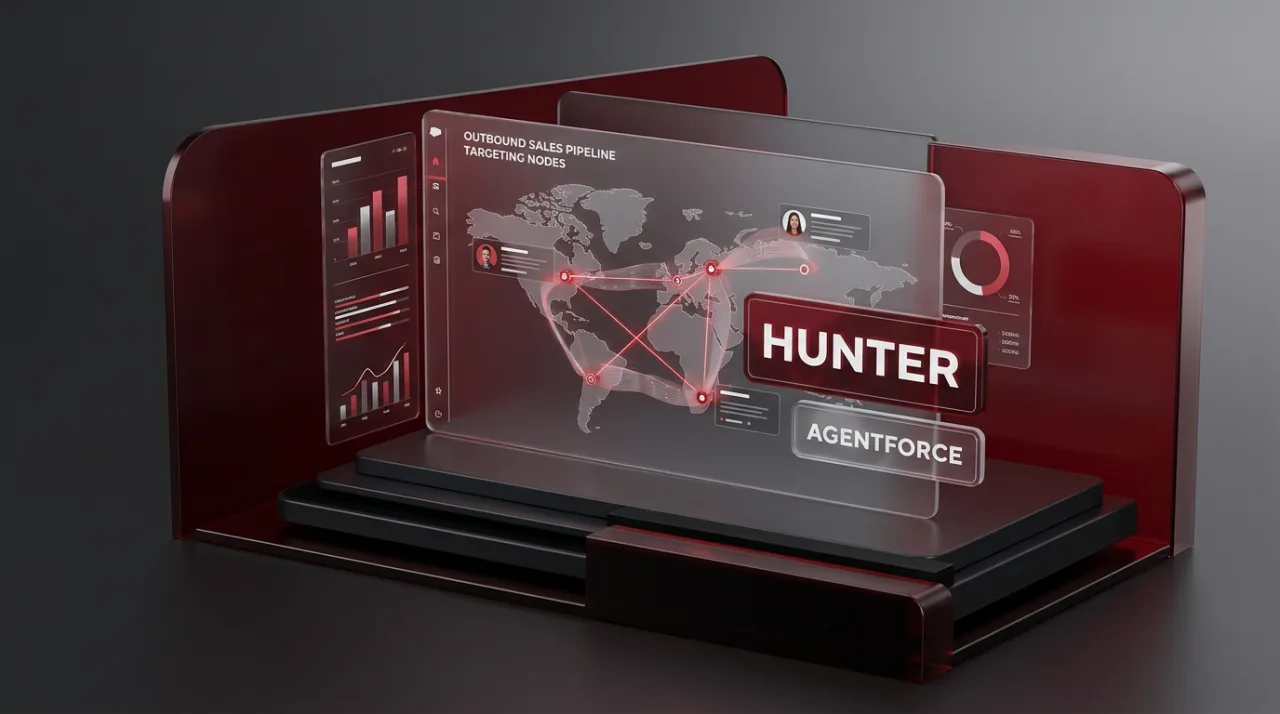
Salesforce introduced Hunter, an AI-powered outbound sales agent built on the Agentforce platform, on September 11, 2026. The agent entered a pilot phase while six other job-ready agents reached general availability immediately. General availability for Hunter is scheduled for November 2026.
Salesforce Hunter Capabilities and Data Integrations
Hunter operates on Salesforce’s new long-horizon runtime. This architecture supports persistent memory across multiple sessions and durable execution of plans that span days or weeks. The runtime also accepts dynamic steering from human feedback during active workflows. These features target sales processes that require sustained coordination rather than single-turn responses.
The agent researches and prioritizes accounts by combining CRM records with approved third-party data sources. It drafts personalized outreach sequences, advances opportunities through stages, prepares proposals, and contributes to pipeline forecasting. All actions remain constrained by existing user permissions and approval rules. Early pilot customers reported that Hunter generated 60 percent of one company’s sales pipeline in a quarter, while internal Salesforce usage produced approximately 500 million dollars in pipeline during the same period.
Launch data partnerships include ZoomInfo for company, contact, and intent signals covering more than 100 million companies and 500 million contacts. Demandbase supplies real-time B2B engagement and buying-group data accessible through natural-language queries without additional contracts. Apollo also participates as a data provider. These integrations feed directly into Hunter’s account research and prioritization functions.
Agentforce Platform Context and November Rollout
Hunter pairs with the inbound-focused Piper agent and forms part of a seven-agent portfolio announced ahead of Dreamforce 2026. The broader Agentforce platform has already delivered more than 7 billion agentic work units. Human sales representatives retain final approval on high-value actions such as contract terms and discount levels.
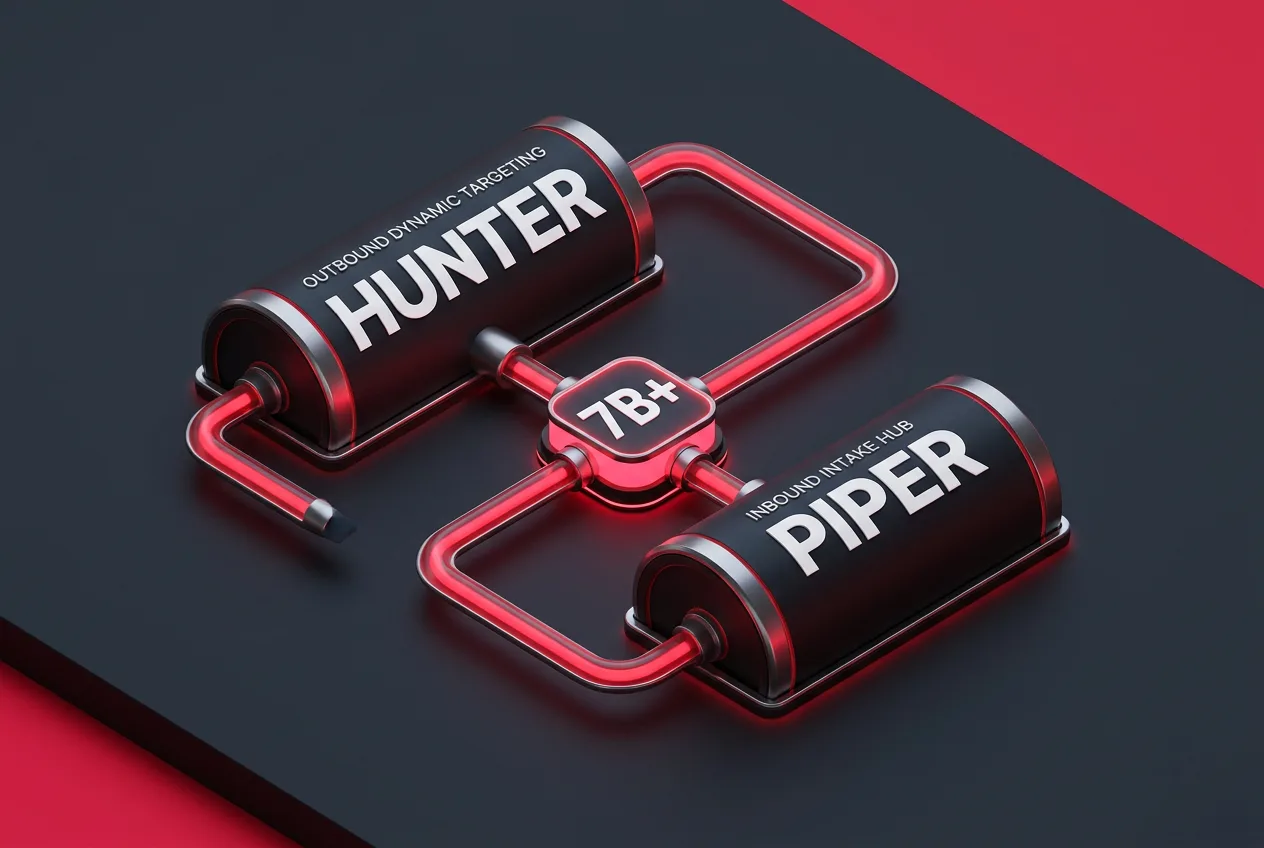
Customers preparing for general availability are advised to review data hygiene, define ideal customer profiles, and configure territory assignments. Pricing details and exact feature scope for the November release have not been disclosed. Additional agents are expected to adopt the long-horizon runtime in subsequent updates, extending similar persistent planning capabilities to other enterprise functions.
Early Adoption Patterns and Platform Expansion
Pilot feedback indicates that teams using structured sales motions benefit most from Hunter’s ability to learn from historical calls, emails, and notes. The agent applies these patterns while staying within defined guardrails. Salesforce has positioned the tool as an assistant that augments rather than replaces human oversight in outbound processes.
Market observers note that the combination of long-horizon execution and third-party data feeds addresses common gaps in earlier sales-automation agents. As more organizations test the November release, usage metrics and integration patterns will clarify how the runtime performs across different sales cycles and data volumes.
Frequently asked questions
When does Salesforce Hunter reach general availability?
General availability is targeted for November 2026 following the September 2026 pilot announcement. Exact dates and pricing remain pending official confirmation from Salesforce.
What data sources does the Salesforce Hunter agent use?
Hunter pulls from internal CRM records plus third-party feeds from ZoomInfo, Demandbase, and Apollo. These sources supply intent signals, company data, and buying-group information.
How does the long-horizon runtime differ from prior Agentforce agents?
The runtime maintains memory across sessions and executes multi-week plans. It also accepts ongoing human feedback instead of limiting actions to single conversation turns.
Does Hunter replace human sales representatives?
No. Human representatives retain final control over key decisions such as pricing approvals and contract terms while the agent handles research, drafting, and pipeline updates.
Comments
No comments yet. Be the first!